
共计 2444 个字符,预计需要花费 7 分钟才能阅读完成。

背景痛点分析
在实际生产环境中部署 Claude Code 硅基流动模型时,我们经常遇到几个典型问题:
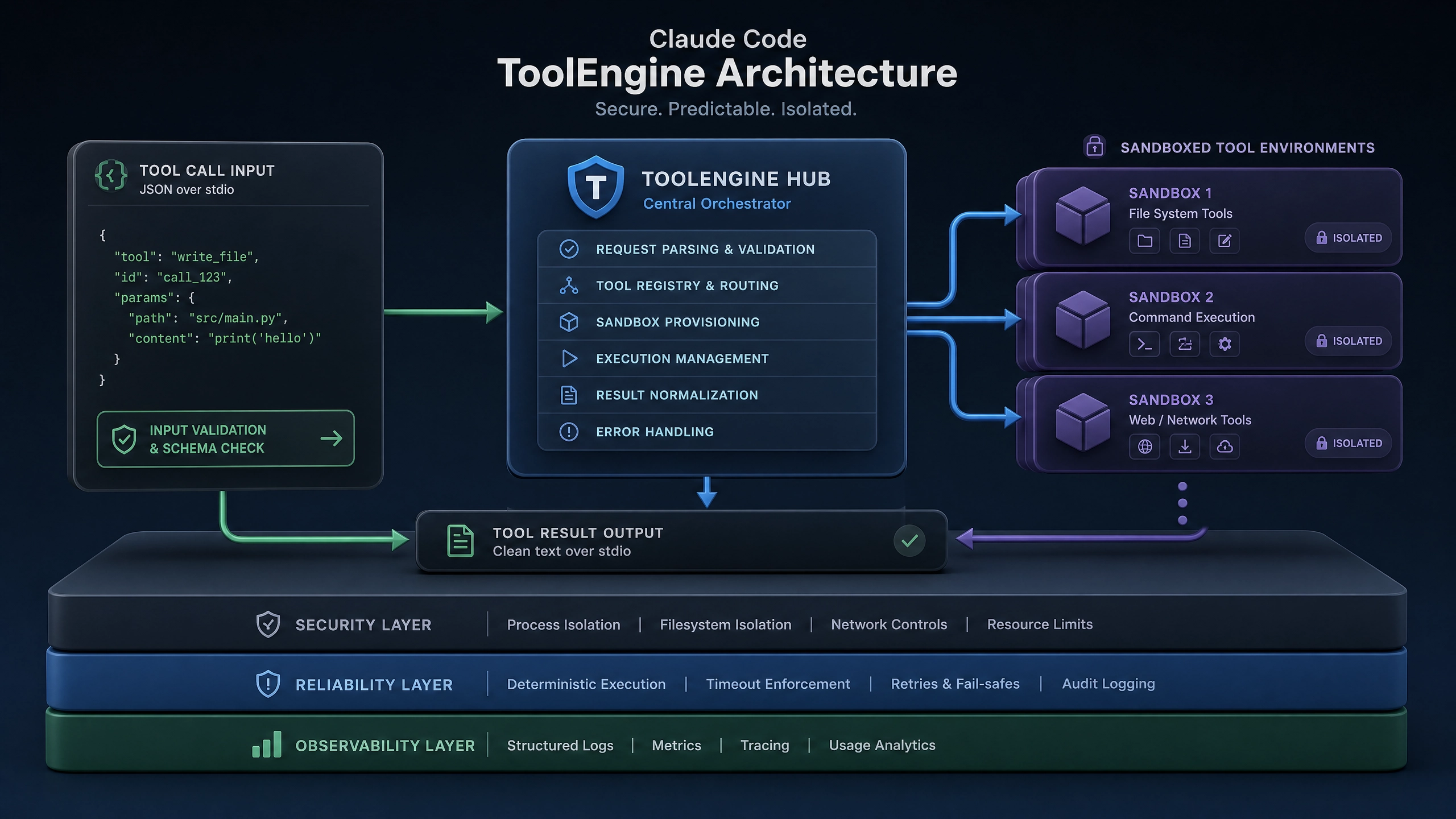
- GPU 利用率低:单个请求无法充分利用 GPU 计算能力,导致资源浪费
- 请求排队延迟:高峰期请求积压,用户等待时间显著增加
- 冷启动问题:新实例启动需要加载大模型,响应延迟较高
- 资源分配不均:固定资源配置无法应对流量波动
这些问题直接影响用户体验和服务质量,因此需要一套完整的解决方案来优化推理服务部署。
技术方案对比
裸金属部署
裸金属部署直接将模型运行在物理服务器上,具有以下特点:
- 优点:理论性能最高,无虚拟化开销
- 缺点:资源隔离差,弹性扩缩容困难,运维成本高
容器化方案
基于 Docker 和 Kubernetes 的容器化方案更适合生产环境:
- 优点:
- 资源隔离:每个容器有独立的 CPU/GPU 配额
- 弹性伸缩:Kubernetes 可快速扩缩容实例
- 环境一致性:镜像打包所有依赖项
- 缺点:
- 略微增加虚拟化开销
- 需要学习容器编排技术
核心实现步骤
1. 构建 Docker 镜像
首先创建包含 Claude Code 模型的标准化镜像:
FROM nvcr.io/nvidia/pytorch:22.12-py3

# 安装依赖
RUN pip install transformers==4.26.1 torch==1.13.1

# 复制模型文件
COPY claude-code /app/model
COPY serve.py /app

# 设置健康检查
HEALTHCHECK --interval=30s --timeout=10s \
  CMD curl -f http://localhost:8000/health || exit 1

WORKDIR /app
EXPOSE 8000
ENTRYPOINT ["python", "serve.py"]
2. Triton Inference Server 配置
使用 Triton 实现动态批处理,配置文件如下:
name: "claude_code"
platform: "pytorch_libtorch"
max_batch_size: 32
input [
  {
    name: "input_ids"
    data_type: TYPE_INT32
    dims: [-1]
  }
]
output [
  {
    name: "output"
    data_type: TYPE_FP32
    dims: [-1, 50257]
  }
]
instance_group [
  {
    count: 2
    kind: KIND_GPU
  }
]
3. Kubernetes HPA 配置
自动扩缩容策略示例:
apiVersion: autoscaling/v2
kind: HorizontalPodAutoscaler
metadata:
  name: claude-code-hpa
spec:
  scaleTargetRef:
    apiVersion: apps/v1
    kind: Deployment
    name: claude-code
  minReplicas: 2
  maxReplicas: 10
  metrics:
  - type: Resource
    resource:
      name: cpu
      target:
        type: Utilization
        averageUtilization: 60
  - type: External
    external:
      metric:
        name: requests_per_second
        selector:
          matchLabels:
            service: claude-code
      target:
        type: AverageValue
        averageValue: 1000
避坑指南
内存泄漏检测
在镜像中加入内存分析工具:
import torch

# 定期检查内存使用情况
def check_memory():
    allocated = torch.cuda.memory_allocated() / 1024**3
    cached = torch.cuda.memory_reserved() / 1024**3
    print(f"Allocated: {allocated:.2f}GB, Cached: {cached:.2f}GB")
gRPC 连接保持
实现可靠的 gRPC 客户端:
import grpc
from retrying import retry

@retry(wait_exponential_multiplier=1000, wait_exponential_max=10000)
def safe_predict(stub, request):
    try:
        return stub.Predict(request, timeout=10)
    except grpc.RpcError as e:
        if e.code() == grpc.StatusCode.DEADLINE_EXCEEDED:
            print("Timeout, retrying...")
            raise
        else:
            raise
性能验证
延迟测试数据
不同 batch size 下的 TP99 延迟(ms):
| Batch Size | TP99 Latency |
|---|---|
| 1 | 120 |
| 8 | 180 |
| 16 | 220 |
| 32 | 300 |
Prometheus 监控
关键指标采集配置:
scrape_configs:
  - job_name: 'claude-code'
    static_configs:
      - targets: ['claude-code:8000']
    metrics_path: '/metrics'
    relabel_configs:
      - source_labels: [__address__]
        target_label: __metrics_path__
        regex: (.*)
        replacement: $1/metrics
延伸思考
未来可以考虑 Serverless 化部署方案:
- 使用 Knative 实现按需自动扩缩容
- 结合 CloudEvent 实现事件驱动推理
- 冷启动优化:预加载模型到内存池
- 请求队列与自动降级机制
总结
通过容器化部署和动态批处理技术,我们成功构建了高可用的 Claude Code 推理服务。关键收获包括:
- 容器化显著提高了部署效率和资源利用率
- 动态批处理可提升 GPU 使用率 3-5 倍
- 自动扩缩容确保了服务稳定性
- 完善的监控是生产环境必备
这套方案已经在我们多个生产环境中稳定运行,希望也能帮助到你。
正文完


