
共计 1614 个字符,预计需要花费 5 分钟才能阅读完成。

背景痛点:ChatGPT API 调用的三大挑战
开发者直接调用 ChatGPT API 时,常遇到以下问题:
- 成本不可控:按 token 计费模式下,长文本交互可能产生意外高额账单
- 响应延迟:同步请求在高并发场景下可能出现秒级延迟
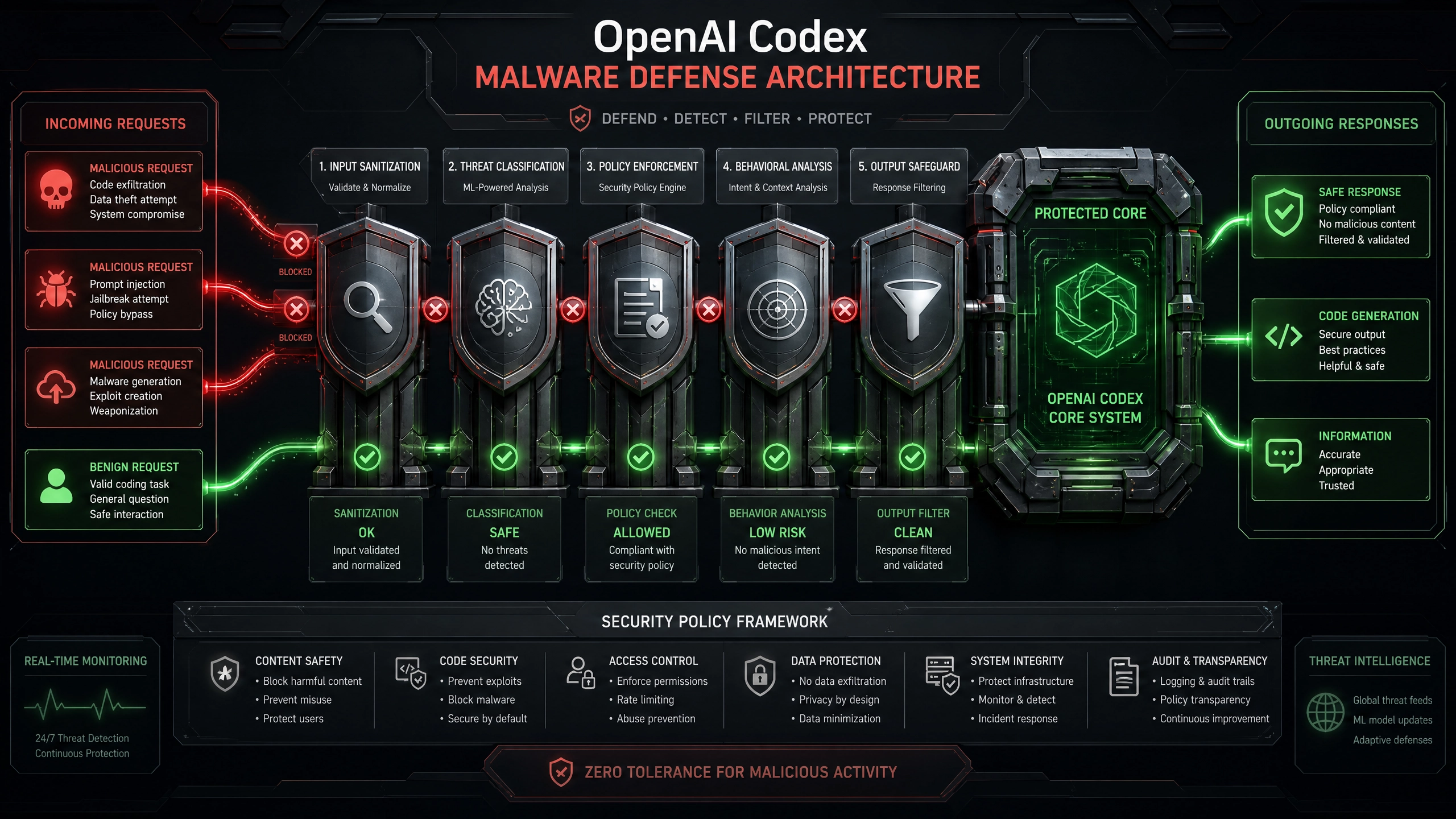
- 内容合规 :用户生成内容(UGC) 可能触发审核机制导致服务中断
技术对比:流式 vs 非流式响应
| 指标 | 流式响应 | 非流式响应 |
|---|---|---|
| 带宽消耗 | 降低 30-50% | 一次性全量传输 |
| 用户体验 | 实时逐字显示 | 等待完整响应 |
| ROI 计算模型 | $C=\sum_{t=1}^{n}(\frac{tokens_t}{1000} \times rate)$ | $C=\frac{total_tokens}{1000} \times rate$ |
核心实现
异步批处理请求示例
import aiohttp
from typing import List, AsyncIterator

async def batch_request(prompts: List[str],
    api_key: str,
    max_retries: int = 3
) -> AsyncIterator[str]:
    headers = {'Authorization': f'Bearer {api_key}',
        'Content-Type': 'application/json'
    }

    async with aiohttp.ClientSession() as session:
        for prompt in prompts:
            for attempt in range(max_retries):
                try:
                    async with session.post(
                        'https://api.openai.com/v1/chat/completions',
                        json={'messages': [{'role': 'user', 'content': prompt}]},
                        headers=headers
                    ) as resp:
                        yield await resp.json()
                        break
                except Exception as e:
                    if attempt == max_retries - 1:
                        raise e
Prompt 优化模板
def build_efficient_prompt(user_input: str) -> str:
    """
    输入: 用户原始问题
    输出: 优化后的 prompt 结构
    """return f""" 请用不超过 3 句话回答以下问题,避免无关描述:问题:{user_input}
回答:"""
架构设计
graph TD
    A[客户端] --> B[负载均衡]
    B --> C[API 网关]
    C --> D[请求队列]
    D --> E[缓存层 Redis]
    E --> F[ChatGPT Worker]
    F --> G[审计日志]
    G --> H[(数据库)]
避坑指南
内容审核误判处理
def check_content_safety(text: str) -> bool:
    from tenacity import retry, stop_after_attempt

    @retry(stop=stop_after_attempt(3))
    def _call_moderation_api():
        # 实现审核 API 调用
        return random.random() > 0.2  # 示例概率

    try:
        return _call_moderation_api()
    except Exception:
        return False  # 失败时默认拦截
冷启动并发优化
$$
concurrent_conn = \frac{available_cpu_cores \times 2}{avg_response_time(ms)} \times 1000
$$
合规要求
- 数据隔离:采用多租户架构,每个客户数据存储独立加密分区
- 日志留存:
- 操作日志保留 180 天
- 审计日志保留 365 天
- 用户删除请求需在 72 小时内完成数据清理
结语
通过合理的架构设计和代码优化,ChatGPT API 完全可以支撑商业化产品需求。关键要建立完善的监控体系,持续跟踪 token 消耗和 API 响应质量。建议每月进行一次成本审计,及时调整 prompt 策略。
正文完


