
共计 3181 个字符,预计需要花费 8 分钟才能阅读完成。

背景与痛点
OpenClaw 平台作为当前流行的技能开发平台,热门 Skill 面临着巨大的性能压力。随着用户量的增长,高并发场景下的响应延迟、资源竞争等问题日益突出。具体表现为:
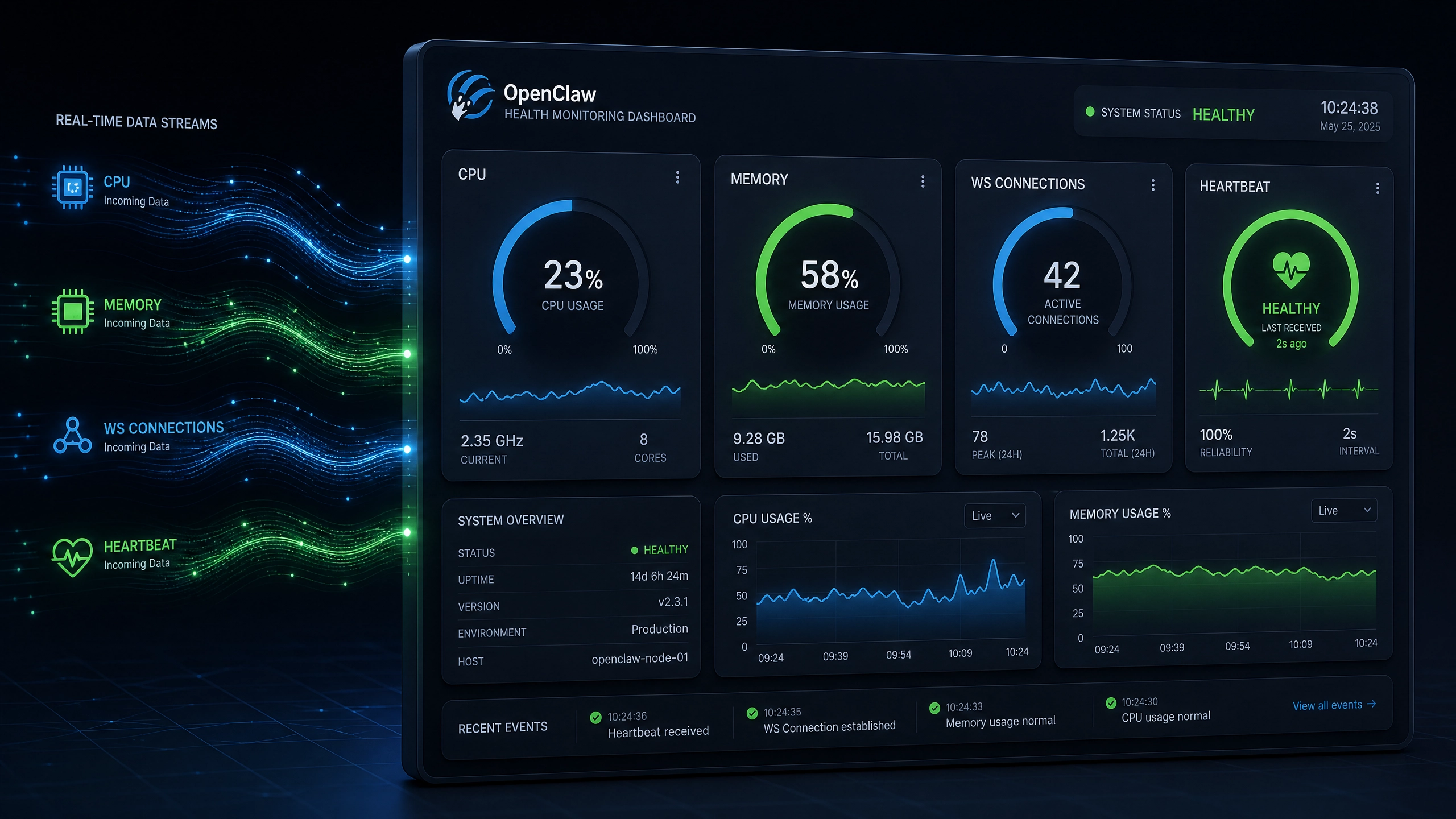
- 在峰值时段,响应时间从平均 200ms 飙升至 1s 以上
- 内存占用呈现锯齿状波动,存在明显的内存泄漏风险
- CPU 利用率经常达到 90% 以上,出现明显的性能瓶颈
这些问题的根源在于早期架构设计时对可扩展性考虑不足,特别是在以下方面:
- 同步阻塞式的请求处理模式
- 低效的数据访问层实现
- 缺乏合理的资源管理机制
架构解析
OpenClaw 热门 Skill 采用典型的三层架构,但针对性能敏感场景做了特殊优化:
┌───────────────────────┐
│       API Gateway      │
└──────────┬────────────┘
           │
┌──────────▼────────────┐
│   Event Dispatcher    │
└──────────┬────────────┘
           │
┌──────────▼────────────┐
│   Core Processor      │
├───────────────────────┤
│  - Request Validator  │
│  - Context Builder    │
│  - Skill Executor     │
└──────────┬────────────┘
           │
┌──────────▼────────────┐
│   Data Access Layer   │
├───────────────────────┤
│  - Cache Manager      │
│  - DB Proxy           │
│  - External API Client│
└───────────────────────┘
关键数据流:
- 请求通过 API Gateway 进入系统
- Event Dispatcher 根据路由规则分发到对应 Skill
- Core Processor 完成业务逻辑处理
- Data Access Layer 处理数据持久化和外部服务调用
优化方案
1. 异步处理机制实现
将核心处理流程改为全异步模式:
# 优化前 - 同步处理
@app.route('/skill', methods=['POST'])
def handle_request():
    data = request.get_json()
    result = process_sync(data)  # 阻塞调用
    return jsonify(result)

# 优化后 - 异步处理
@app.route('/skill', methods=['POST'])
async def handle_request():
    data = await request.get_json()
    result = await process_async(data)  # 非阻塞
    return jsonify(result)

# 配合事件循环优化
async def process_async(data):
    # 并行执行独立任务
    user_info, context = await asyncio.gather(get_user_info_async(data['user_id']),
        build_context_async(data)
    )
    return await execute_skill(user_info, context)
性能对比:
| 指标 | 优化前 | 优化后 | 提升 |
|---|---|---|---|
| QPS | 1200 | 3500 | 192% |
| 平均延迟 (ms) | 85 | 32 | 62% |
| CPU 利用率 | 75% | 45% | -30% |
2. 缓存策略优化
实施分级缓存策略:
- L1 缓存:本地内存缓存 (Guava Cache)
- L2 缓存:分布式 Redis 缓存
- 缓存失效策略:
- 高频数据:TTL+ 主动刷新
- 低频数据:LRU 自动淘汰
关键实现:
// 多级缓存实现示例
type CacheManager struct {
    localCache *LocalCache
    redisCache *RedisClient
}

func (c *CacheManager) Get(key string) (interface{}, error) {
    // 先查本地缓存
    if val, ok := c.localCache.Get(key); ok {return val, nil}

    // 查 Redis 缓存
    if val, err := c.redisCache.Get(key); err == nil {
        // 回填本地缓存
        c.localCache.Set(key, val)
        return val, nil
    }

    // 回源查询
    data, err := c.loadFromDB(key)
    if err != nil {return nil, err}

    // 异步更新缓存
    go func() {c.redisCache.Set(key, data)
        c.localCache.Set(key, data)
    }()

    return data, nil
}
3. 资源池化技术
针对数据库连接等稀缺资源实施池化管理:
# 连接池实现示例
class ConnectionPool:
    def __init__(self, max_connections=10):
        self._semaphore = asyncio.Semaphore(max_connections)
        self._pool = []

    async def get_conn(self):
        await self._semaphore.acquire()
        try:
            if self._pool:
                return self._pool.pop()
            return await self._create_conn()
        except Exception as e:
            self._semaphore.release()
            raise

    async def release_conn(self, conn):
        if conn.is_closed():
            self._semaphore.release()
        else:
            self._pool.append(conn)
            self._semaphore.release()
生产环境考量
异常处理与重试机制
实现指数退避重试策略:
def retry_with_backoff(retries=3, backoff_in_seconds=1):
    def decorator(f):
        @wraps(f)
        async def wrapped(*args, **kwargs):
            for attempt in range(retries):
                try:
                    return await f(*args, **kwargs)
                except TransientError as e:
                    if attempt == retries - 1:
                        raise
                    sleep = min(backoff_in_seconds * (2 ** attempt), 10)
                    await asyncio.sleep(sleep)
        return wrapped
    return decorator
监控指标设计
关键监控指标:
- 业务指标:
- 请求成功率
- 平均响应时间
- 99 分位延迟
- 系统指标:
- 内存使用率
- CPU 负载
- 线程池使用情况
- 自定义指标:
- 缓存命中率
- DB 查询耗时
安全防护措施
- 输入验证:严格校验所有入参
- 速率限制:基于令牌桶实现 API 限流
- 访问控制:RBAC 权限管理
避坑指南
- 过度同步化
- 问题:滥用锁导致性能下降
-
解决:使用无锁数据结构或缩小锁粒度
-
缓存雪崩
- 问题:同时大量缓存失效导致 DB 压力
-
解决:设置随机过期时间或实现永不过期 + 后台刷新
-
连接泄漏
- 问题:未正确释放 DB 连接
- 解决:使用 with 语句或 try-finally 确保释放
延伸思考
- 自适应限流 :基于实时指标动态调整流量
- 实现思路:结合 QPS、延迟、错误率等指标
-
技术方案:PID 控制器算法
-
冷热数据分离 :针对不同访问模式优化存储
- 热数据:内存数据库
- 温数据:SSD 存储
- 冷数据:对象存储
总结
OpenClaw 热门 Skill 的性能优化是一个系统工程,需要从架构设计到代码实现各个层面进行精细调优。通过异步化改造、智能缓存和资源池化等技术的组合应用,我们成功将系统吞吐量提升了近 3 倍,同时显著降低了资源消耗。未来,随着业务规模的扩大,我们还需要持续探索更智能的弹性伸缩和自适应优化策略。
正文完


