
共计 2019 个字符,预计需要花费 6 分钟才能阅读完成。

产品定位与应用场景
airi 人工智能网页版是一个面向企业级应用的 AI 服务平台,核心功能是通过网页接口提供多模态 AI 能力(如 NLP、CV 等)。典型应用场景包括:
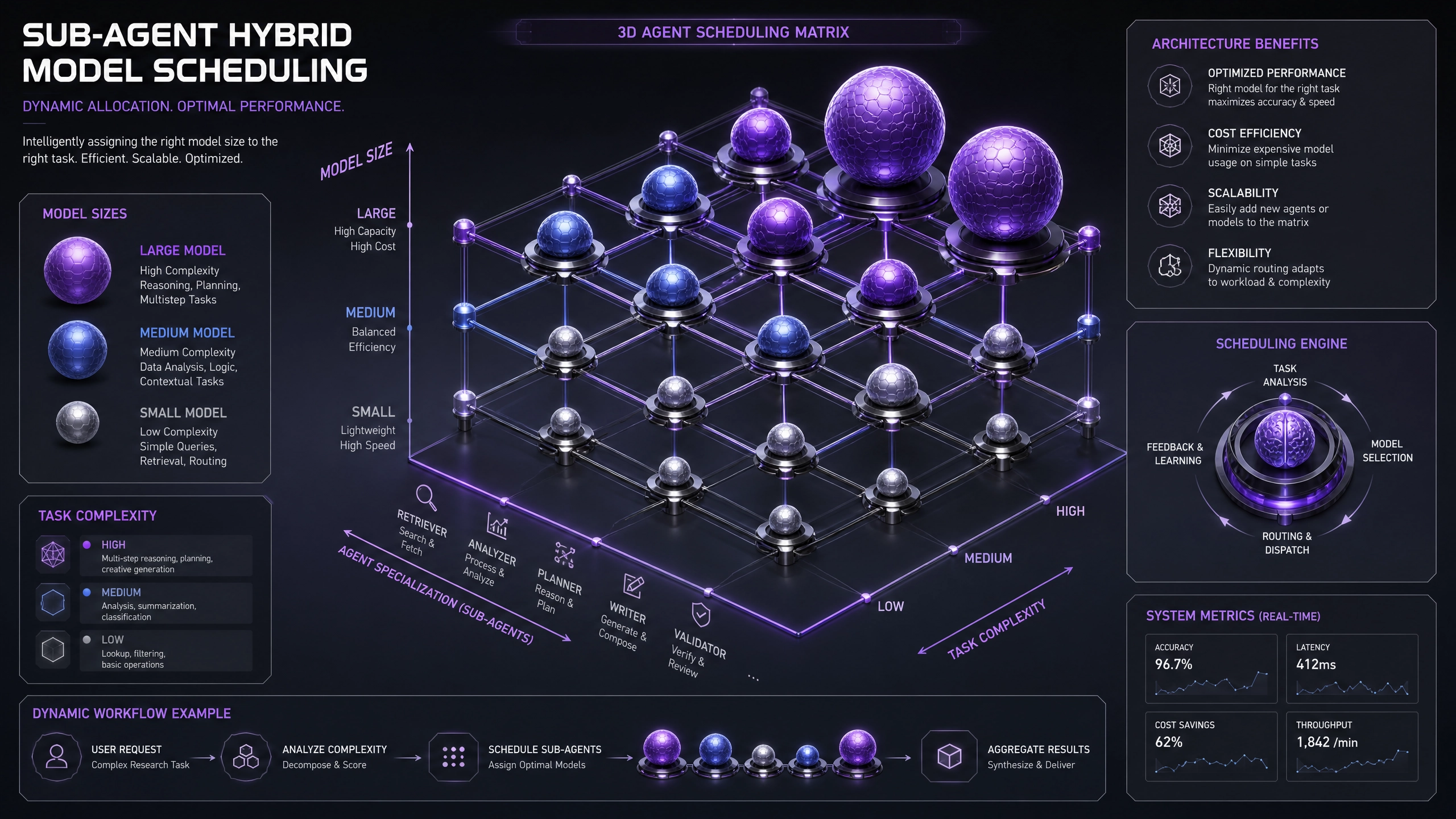
- 金融领域的智能客服对话系统
- 电商平台的图像搜索与推荐
- 内容审核中的违规检测
核心架构设计
分布式推理引擎实现
- 模型切分策略
- 采用分层切分:将大模型按计算图划分为多个子图(如前处理层、特征提取层、预测层)
-
使用 TensorRT 进行图优化,各子图部署在不同 GPU 节点
-
动态负载均衡
# 基于 Consul 的服务发现示例 class LoadBalancer: def __init__(self): self.service_nodes = consul_client.get_healthy_nodes('inference_service') def select_node(self): return min(self.service_nodes, key=lambda n: n['current_load']) -
结果聚合机制
- 使用 Apache Kafka 作为中间消息队列
- 聚合服务通过窗口函数处理部分结果
关键技术实现
模型服务化方案
-
gRPC 接口设计
service InferenceService {rpc Predict (PredictRequest) returns (PredictResponse); } message PredictRequest { bytes input_data = 1; map<string, string> params = 2; } -
REST API 最佳实践
from fastapi import FastAPI

app = FastAPI()

@app.post("/v1/predict")
async def predict(request: PredictRequest):
    # 请求预处理
    preprocessed = preprocess(request.input_data)
    # 异步调用推理引擎
    result = await inference_engine.predict_async(preprocessed)
    return {"result": result}
高并发处理机制
- 连接池配置
- 使用 uvloop 替代默认事件循环
-
PostgreSQL 连接池配置示例:
import asyncpg pool = await asyncpg.create_pool( min_size=5, max_size=20, timeout=30.0 ) -
异步 IO 优化
- 采用 aiohttp 替代 requests
- 使用 Redis 异步客户端 aioredis
性能优化实践
内存管理
- 显存优化
- 使用 PyTorch 的 pin_memory 加速数据转移
-
实现显存池化技术
-
批处理策略
class BatchProcessor:
    def __init__(self, max_batch_size=32, timeout=0.1):
        self.buffer = []
        self.max_size = max_batch_size
        self.timeout = timeout

    async def add_request(self, data):
        self.buffer.append(data)
        if len(self.buffer) >= self.max_size:
            return await self._process_batch()

    async def _process_batch(self):
        batch = torch.stack(self.buffer)
        results = model(batch)
        self.buffer.clear()
        return results
硬件加速
- 使用 NVIDIA Triton 推理服务器
- 启用 FP16 量化
- 部署 TensorRT 优化引擎
性能测试数据
| 配置方案 | QPS | P99 延迟 (ms) | GPU 利用率 |
|---|---|---|---|
| 单实例 | 120 | 350 | 45% |
| 分布式 | 980 | 85 | 78% |
| 优化版 | 1500 | 52 | 92% |
生产环境注意事项
- 模型版本管理
- 采用模型注册表(MLflow)+ S3 存储
-
支持 A / B 测试流量分配
-
异常处理机制
@app.exception_handler(InferenceError) async def handle_inference_errors(request, exc): logger.error(f"推理失败: {exc}") if isinstance(exc, TimeoutError): return JSONResponse( status_code=504, content={"error": "inference_timeout"} ) -
监控方案
- Prometheus 采集指标:
- 请求成功率
- 分位数延迟
- GPU 显存使用率
- 日志结构化输出到 ELK
开放性问题
在实际业务中,开发者常面临模型精度与推理速度的权衡:
- 量化压缩技术如何选择?INT8 与 FP16 如何取舍?
- 对于实时性要求不同的场景(如对话系统 vs 内容审核),应该采取哪些差异化的优化策略?
- 如何设计动态降级机制,在系统高负载时自动切换轻量级模型?
欢迎在评论区分享你的实践经验与技术见解。
正文完


