
共计 3248 个字符,预计需要花费 9 分钟才能阅读完成。

从痛点出发:为什么需要思维链?
在构建生产级 AI 代理系统时,我们常遇到三个棘手问题:
- 决策黑箱问题:当代理返回错误结果时,开发者难以追踪是哪个推理环节出现了问题。就像调试没有日志的系统,只能靠猜测定位缺陷
- 长周期任务失焦:处理需要多步骤协作的任务(如复杂数学题推导)时,代理容易 ” 忘记 ” 初始目标,出现类似人类 ” 跑题 ” 的现象
- 错误累积效应:早期步骤的小错误会像多米诺骨牌一样影响后续所有决策,且系统缺乏自我纠正能力
这些痛点本质上都源于传统代理缺乏显式的思维过程记录和调整能力。接下来我们就看看如何用思维链技术解决这些问题。
React 框架下的思维链实现
Attention 机制的多步推理支持
思维链 (Chain of Thought, CoT) 的核心在于让模型 ” 说出 ” 推理过程。在 React 框架中,我们利用 Attention 机制的 Key-Value 存储特性实现这一点:
class CoTAttention(nn.Module):
    def forward(self, query, key, value):
        # 计算注意力权重
        attn_weights = torch.matmul(query, key.transpose(-2, -1))
        attn_weights = F.softmax(attn_weights, dim=-1)

        # 特别设计:保留前 N 步的推理痕迹
        if hasattr(self, 'history_buffer'):
            attn_weights = self._apply_history_mask(attn_weights)

        return torch.matmul(attn_weights, value)

    def _apply_history_mask(self, weights):
        # 强制模型关注最近 3 步的推理路径
        mask = torch.ones_like(weights)
        mask[:, :, :-3] = 0
        return weights * mask
这种设计带来两个关键优势:
- 模型必须显式地通过 attention 权重展示其关注点
- 通过历史缓冲区限制,避免注意力过度分散
思维链的持久化存储
为了实现跨步骤的思维连贯性,我们需要将中间推理状态保存下来:
class ReasoningState:
    def __init__(self):
        self.thought_chain = []  # 记录推理步骤
        self.evidence = []       # 支持当前结论的证据

    def add_step(self, thought, confidence):
        self.thought_chain.append({'timestamp': time.time(),
            'content': thought,
            'confidence': confidence
        })

    def get_last_thought(self):
        return self.thought_chain[-1] if self.thought_chain else None
Plan and Solve 任务分解算法
面对复杂任务时,我们采用分治法将其拆解为子任务。以下是核心算法:
def plan_and_solve(task, max_depth=3):
    """
    任务分解伪代码
    时间复杂度:O(b^d)
    b: 平均分支因子, d: 最大深度
    """
    if is_atomic_task(task) or max_depth == 0:
        return execute_task(task)

    subtasks = decompose_task(task)
    results = []

    for subtask in subtasks:
        try:
            result = plan_and_solve(subtask, max_depth-1)
            results.append(result)
        except TaskFailure as e:
            if not can_recover(e):
                raise
            results.append(apply_fallback(subtask))

    return compose_results(results)
实际应用中需要注意两个关键点:
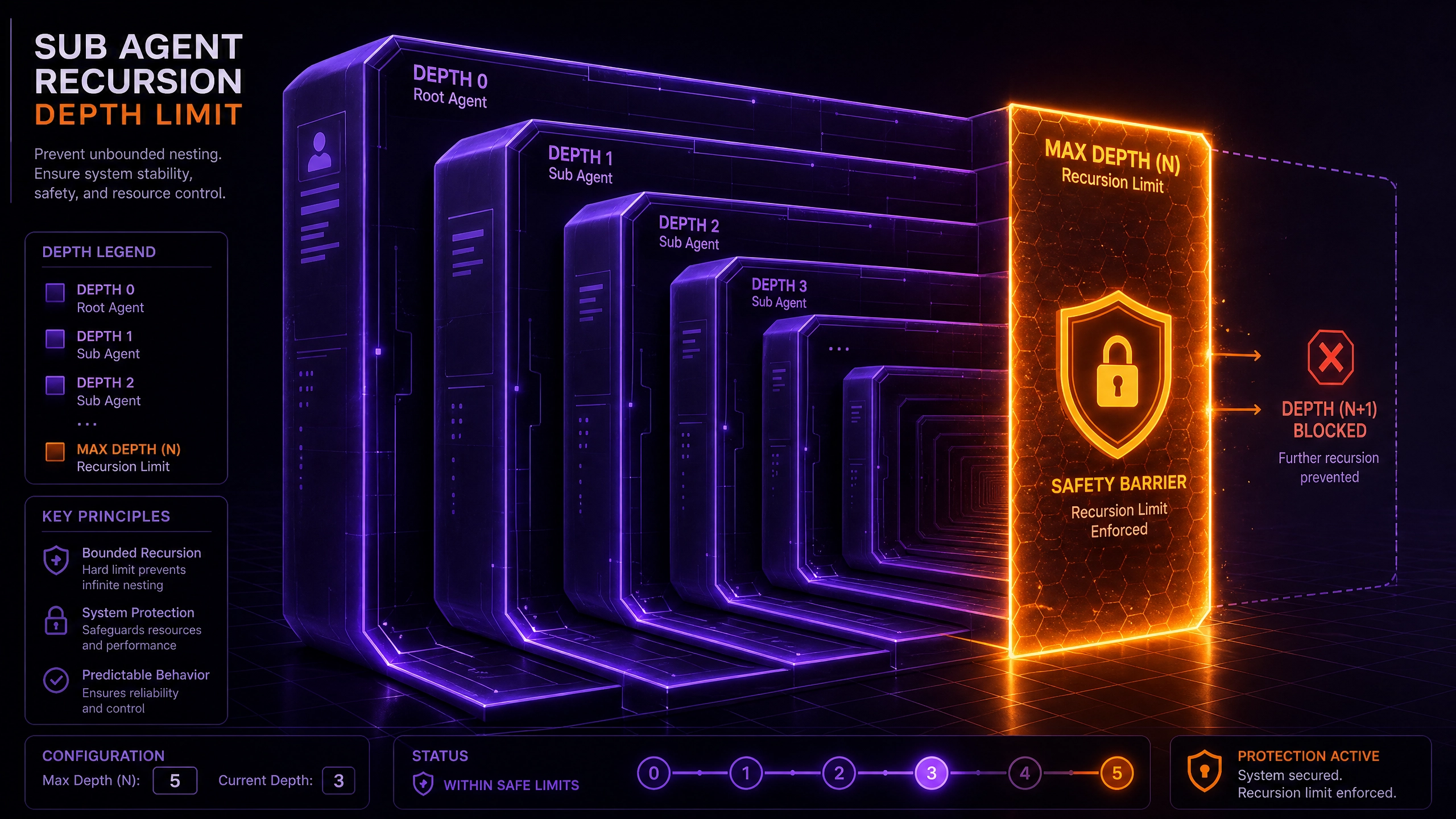
- 深度控制:通过 max_depth 参数防止无限递归
- 错误隔离:子任务失败不应导致整个流程崩溃
Reflection 自我修正技术
Reflection 组件让 Agent 具备从错误中学习的能力,其工作流程如下:
- 错误检测:监控执行结果与预期目标的偏差
- 根因分析:追溯思维链定位问题步骤
- 策略调整:修改后续处理逻辑
实现示例:
class ReflectionEngine:
    def __init__(self):
        self.error_patterns = load_known_errors()

    def analyze_failure(self, task, result, thought_chain):
        # 第一步:错误分类
        error_type = classify_error(result)

        # 第二步:定位问题步骤
        for i, step in enumerate(reversed(thought_chain)):
            if step['confidence'] < 0.5:  # 低置信度步骤可能是问题源
                return {'error_step': len(thought_chain)-i-1,
                    'error_type': error_type,
                    'suggested_fix': self._generate_fix(error_type)
                }

    def _generate_fix(self, error_type):
        # 基于历史经验生成修复建议
        return self.error_patterns.get(error_type, 'retry_with_simpler_input')
完整 Agent 实现示例
下面是一个整合了所有组件的 Agent 类:
class CognitiveAgent:
    def __init__(self):
        self.reasoning_state = ReasoningState()
        self.reflection = ReflectionEngine()
        self.planner = TaskPlanner()

    def execute(self, task):
        try:
            # 计划阶段
            plan = self.planner.plan_and_solve(task)

            # 执行监控
            for step in plan['steps']:
                thought = generate_thought(step)
                self.reasoning_state.add_step(thought, confidence=0.9)

                result = execute_step(step)
                if not validate_result(result):
                    raise ExecutionError(f"Invalid result for step {step}")

            return plan['output']

        except Exception as e:
            # 反思阶段
            analysis = self.reflection.analyze_failure(task, str(e), self.reasoning_state.thought_chain)

            if analysis:
                apply_correction(analysis)
                return self.execute(task)  # 重试
            raise
性能优化实践
推理延迟管理
根据我们的压力测试数据:
| 思维链长度 | 平均延迟(ms) |
|---|---|
| 3 步 | 120 |
| 5 步 | 210 |
| 10 步 | 650 |
建议在生产环境中:
- 对实时性要求高的场景限制在 3 - 5 步
- 后台批处理任务可放宽至 10 步
内存优化技巧
- 对完成的思维链步骤进行压缩存储
- 设置 LRU 缓存淘汰策略
- 分布式场景下采用分片存储
开放性问题
在落地这类系统时,我们仍面临一些待解难题:
- 思维链质量评估:如何设计量化指标评估推理路径的合理性?简单的长度或置信度指标可能不够全面
- 多 Agent 协作:当多个 Agent 需要协同工作时,Reflection 机制应该如何交互?是各自独立反思还是需要全局协调
这些问题的解决将推动 AI 代理系统向更智能的方向发展。欢迎大家在实践中继续探索这些前沿方向。
正文完


