
共计 3590 个字符,预计需要花费 9 分钟才能阅读完成。

在 Agno 平台上使用 Qwen3 模型时,开发者常会遇到无法直接调用外部工具的问题。这主要是由于平台的沙箱环境和 API 白名单限制导致的。本文将深入分析这些限制,并提供三种实战解决方案,帮助开发者在受限环境中实现工具链集成。
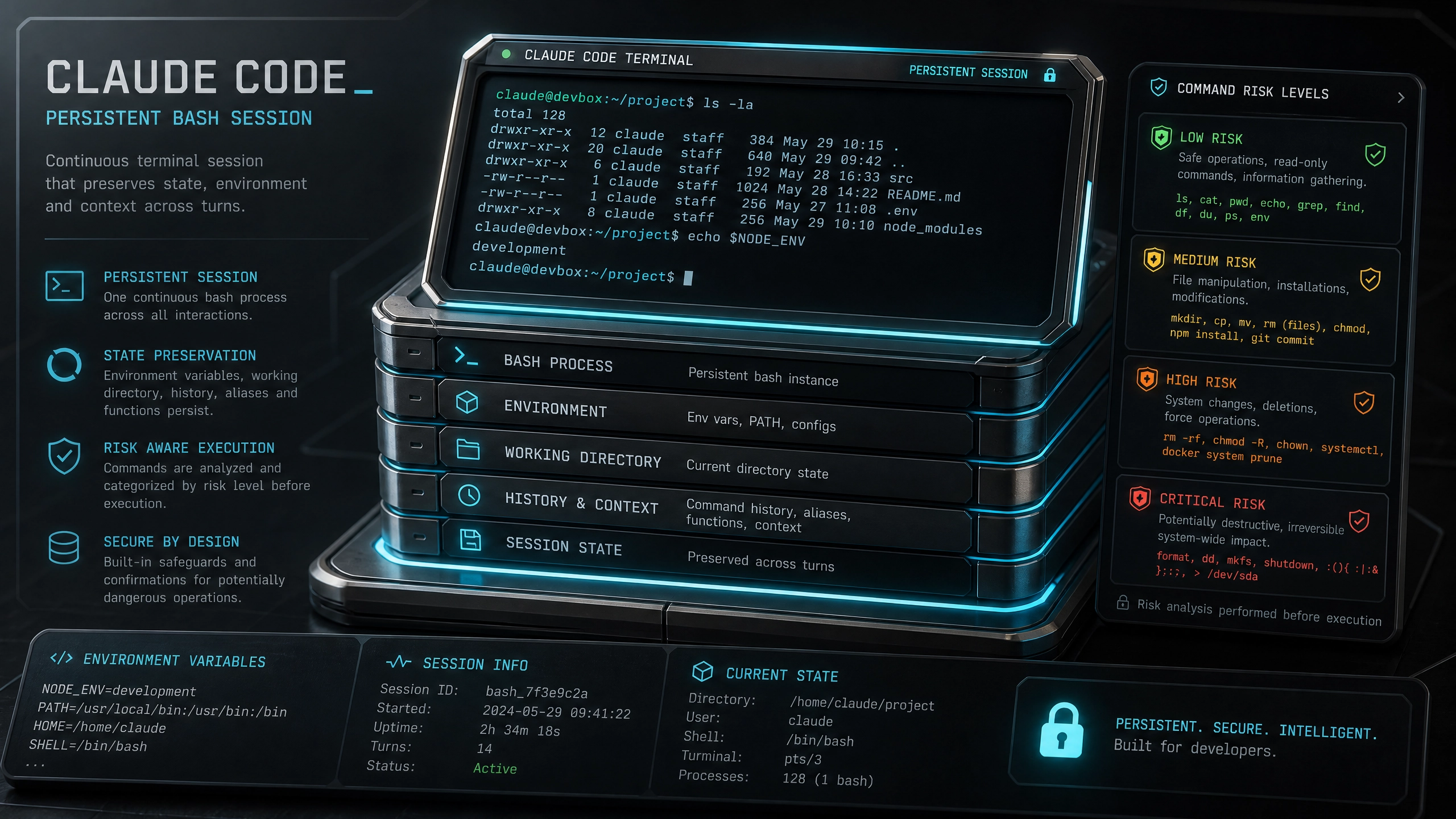
Agno 平台 Qwen3 模型的工具调用限制
Agno 平台对 Qwen3 模型的工具调用主要有以下限制:
- API 白名单 :平台仅允许访问预先批准的 API 端点,其他外部 API 请求会被拦截。
- 沙箱环境 :模型运行在隔离的沙箱中,无法直接访问系统资源或执行本地命令。
- 网络限制 :出站网络连接受到严格管控,仅允许特定协议的通信。
这些限制虽然提高了安全性,但也给需要集成外部工具的开发者带来了挑战。
解决方案一:构建 RESTful 代理层
通过在受信任的服务器上构建代理层,可以绕过 API 白名单限制。以下是使用 Flask 实现的示例:
from flask import Flask, request, jsonify
import requests

app = Flask(__name__)

# 受信任的 API 端点白名单
ALLOWED_ENDPOINTS = {
    'weather': 'https://api.weather.example',
    'translate': 'https://api.translate.example'
}

@app.route('/proxy', methods=['POST'])
def proxy():
    data = request.json

    # 验证请求签名
    if not verify_signature(request.headers.get('X-Signature'), data):
        return jsonify({'error': 'Invalid signature'}), 403

    endpoint = data.get('endpoint')
    if endpoint not in ALLOWED_ENDPOINTS:
        return jsonify({'error': 'Endpoint not allowed'}), 403

    try:
        # 转发请求到目标 API
        response = requests.post(ALLOWED_ENDPOINTS[endpoint],
            json=data.get('payload'),
            timeout=5
        )
        return jsonify(response.json())
    except Exception as e:
        return jsonify({'error': str(e)}), 500

# 签名验证函数
def verify_signature(signature, data):
    # 实现实际的签名验证逻辑
    return True  # 示例简化

if __name__ == '__main__':
    app.run(host='0.0.0.0', port=5000)
这个方案的时间复杂度主要取决于外部 API 的响应时间,代理层本身的时间复杂度是 O(1)。
解决方案二:开发 Python 工具包中间件
创建一个中间件工具包,将常用工具封装为 Python 函数,并通过装饰器暴露给模型调用:
from functools import wraps
import json

tools_registry = {}

def tool(name, description, input_schema, output_schema):
    def decorator(func):
        @wraps(func)
        def wrapper(*args, **kwargs):
            # 输入验证
            validate_input(input_schema, kwargs)

            try:
                result = func(*args, **kwargs)
                # 输出验证
                validate_output(output_schema, result)
                return result
            except Exception as e:
                # 错误处理和日志记录
                log_error(e)
                raise

        # 注册工具
        tools_registry[name] = {
            'function': wrapper,
            'description': description,
            'input_schema': input_schema,
            'output_schema': output_schema
        }

        return wrapper
    return decorator

# 示例工具
@tool(
    name='calculate',
    description='Perform basic calculations',
    input_schema={'operation': str, 'a': float, 'b': float},
    output_schema={'result': float}
)
def calculate(operation, a, b):
    if operation == 'add':
        return a + b
    elif operation == 'subtract':
        return a - b
    elif operation == 'multiply':
        return a * b
    elif operation == 'divide':
        return a / b
    else:
        raise ValueError('Invalid operation')
这个中间件方案的时间复杂度取决于具体工具的实现,装饰器本身的时间复杂度是 O(1)。
解决方案三:LoRA 微调适配方案
通过 LoRA(Low-Rank Adaptation)微调 Qwen3 模型,使其能够更好地适应 Agno 平台的限制:
- 数据准备 :
- 收集工具调用的输入输出示例
- 创建适配 Agno 平台格式的训练数据
-
确保数据覆盖各种工具使用场景
-
微调代码示例 :
from transformers import AutoModelForCausalLM, TrainingArguments
from peft import LoraConfig, get_peft_model

def prepare_lora_model(base_model_name):
    # 加载基础模型
    model = AutoModelForCausalLM.from_pretrained(base_model_name)

    # 配置 LoRA 参数
    lora_config = LoraConfig(
        r=8,
        lora_alpha=16,
        target_modules=['q_proj', 'v_proj'],
        lora_dropout=0.1,
        bias='none',
        task_type='CAUSAL_LM'
    )

    # 应用 LoRA 适配
    model = get_peft_model(model, lora_config)
    model.print_trainable_parameters()

    return model

# 训练参数设置
training_args = TrainingArguments(
    output_dir='./results',
    num_train_epochs=3,
    per_device_train_batch_size=4,
    save_steps=1000,
    save_total_limit=2,
    logging_dir='./logs',
    report_to='none'
)
这个方案的时间复杂度取决于模型大小和训练数据量,通常为 O(n) 其中 n 是参数量。
安全与容错设计
- HTTP 请求签名验证 :
- 使用 HMAC-SHA256 进行请求签名
- 包含时间戳防止重放攻击
- 签名示例:
import hmac
import hashlib
import time

def generate_signature(secret_key, data):
    timestamp = str(int(time.time()))
    message = timestamp + json.dumps(data)
    signature = hmac.new(secret_key.encode(),
        message.encode(),
        hashlib.sha256
    ).hexdigest()
return signature, timestamp- 异步任务队列 :
- 使用 Celery 或 RQ 实现异步执行
- 设计重试机制和死信队列
-
监控任务状态和性能指标
-
Schema 验证 :
- 使用 Pydantic 或 JSON Schema 验证输入输出
- 提供清晰的错误信息
- 记录验证失败的请求
方案选型决策树
根据业务需求选择最合适的方案:
- 实时性要求高 :
- 选择 RESTful 代理层(方案一)
-
添加本地缓存减少延迟
-
工具复杂度高 :
- 选择 Python 中间件(方案二)
-
提供更灵活的工具封装
-
安全等级要求高 :
- 选择 LoRA 微调(方案三)
-
减少外部依赖和攻击面
-
混合场景 :
- 组合使用多种方案
- 例如:核心工具使用中间件,辅助功能通过代理访问
通过以上方案,开发者可以在 Agno 平台的限制下,灵活地扩展 Qwen3 模型的工具调用能力。每个方案都有其适用场景和优缺点,建议根据具体需求进行选择和组合。在实践中,还需要考虑性能监控、日志记录和错误处理等运维方面的需求,确保系统的稳定性和可靠性。


