
共计 2455 个字符,预计需要花费 7 分钟才能阅读完成。

背景痛点:企业部署生成式 AI 的三大挑战
-
实时性要求与系统负载的矛盾 :当智能体需要处理高并发用户请求时(如客服场景),传统同步阻塞架构会导致响应延迟飙升。实测显示,单体架构下 QPS 超过 50 时,95 分位延迟从 200ms 陡增至 1.2s。

-
模型迭代的隐性成本 :以 GPT- 3 到 GPT- 4 的升级为例,模型体积增长 3 倍后,冷启动时间从 8 秒延长至 22 秒。企业需要在不中断服务的情况下完成模型热更新。
-
数据隐私合规风险 :欧盟 GDPR 要求用户数据必须在处理后 30 天内删除,但 AI 训练数据常残留在日志和缓存中。某金融公司曾因未清理对话历史被罚款 230 万欧元。
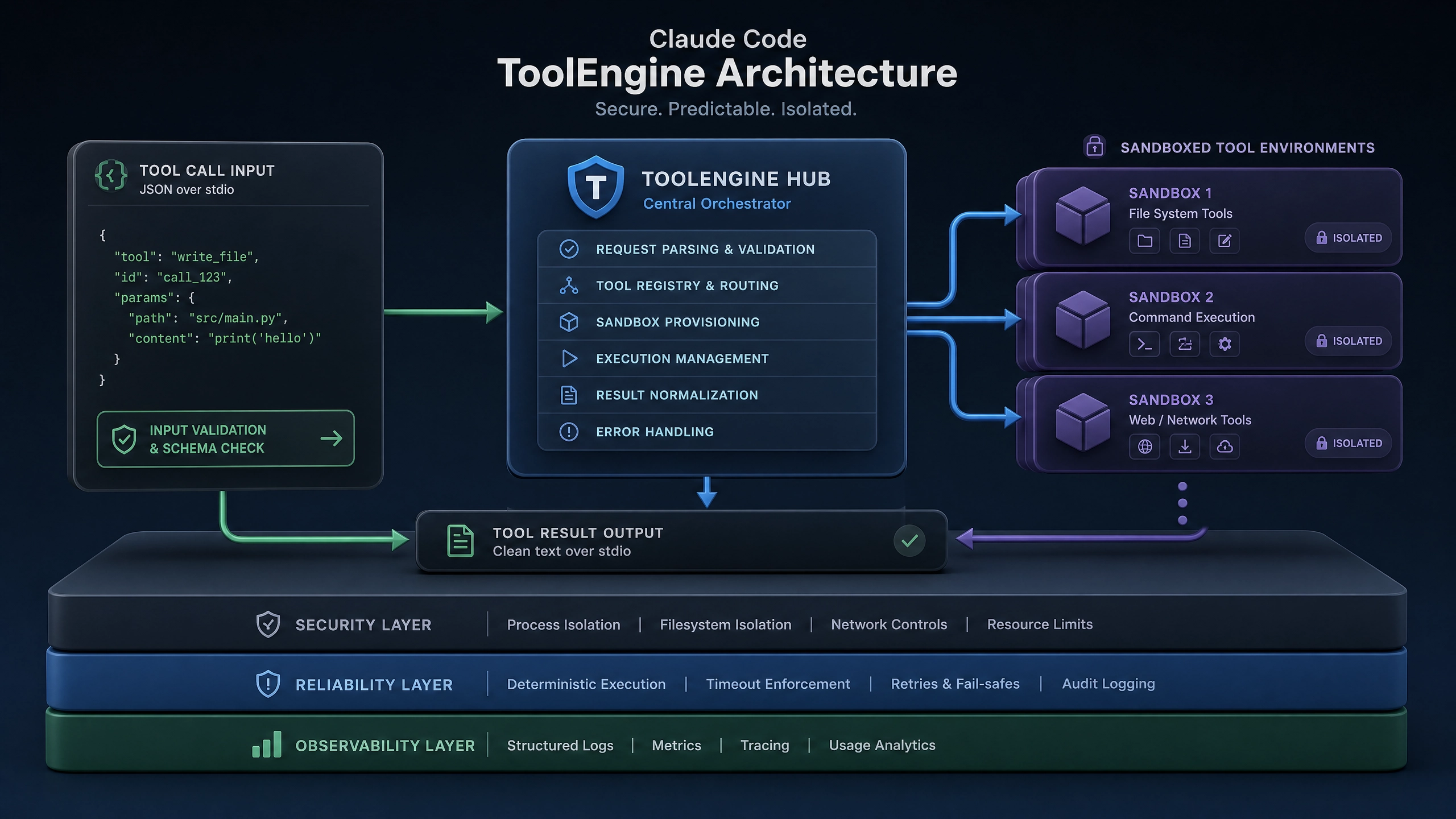
架构对比:单体 vs 微服务
- 单体架构 (适合初期验证)
graph TD A[客户端] --> B[单体服务] B --> C[数据库] B --> D[模型文件] - 优点:部署简单,调试方便
-
缺点:资源隔离差,模型更新需整体重启
-
微服务架构 (推荐生产环境)
graph TD A[客户端] --> B[API 网关] B --> C[会话服务] B --> D[模型推理服务] D --> E[版本仓库] C --> F[Redis 集群] - 优点:独立扩缩容,蓝绿部署
- 缺点:分布式追踪复杂度高
核心实现方案
异步任务队列分流(Python 实现)
# 使用 Celery 处理长耗时任务
@app.task(bind=True, queue='ai_heavy')
def generate_content(self, prompt):
    try:
        result = llm.generate(prompt, max_length=500)
        return {'status': 'success', 'data': result}
    except Exception as e:
        self.retry(exc=e, countdown=60)

# 路由配置(Nginx 层)location /api/v1/async {
    proxy_pass http://celery_worker;
    proxy_read_timeout 300s;
}
Kubernetes 自动扩缩容
# HPA 配置示例
apiVersion: autoscaling/v2
kind: HorizontalPodAutoscaler
metadata:
  name: llm-inference
spec:
  scaleTargetRef:
    apiVersion: apps/v1
    kind: Deployment
    name: llm-deployment
  minReplicas: 2
  maxReplicas: 10
  metrics:
  - type: Resource
    resource:
      name: nvidia.com/gpu
      target:
        type: Utilization
        averageUtilization: 70
模型热切换网关(含 JWT 鉴权)
// Go 语言实现版本路由
func ModelSwitchHandler(w http.ResponseWriter, r *http.Request) {claims := r.Context().Value("jwt").(*jwt.MapClaims)
    if !claims.Has("admin") {w.WriteHeader(403)
        return
    }

    version := r.URL.Query().Get("v")
    if err := modelRepo.LoadVersion(version); err != nil {log.Printf("热加载失败: %v", err)
        w.WriteHeader(500)
    }

    w.Write([]byte(fmt.Sprintf("已切换到版本 %s", version)))
}
性能优化实战
压测数据对比(4xA100 环境)
| 架构类型 | QPS | P95 延迟 | 错误率 |
|---|---|---|---|
| 单体 Python | 62 | 890ms | 1.2% |
| 微服务 +TRT | 215 | 210ms | 0.03% |
| 微服务 + 量化 | 308 | 150ms | 0.01% |
GPU 监控方案
# Prometheus 采集指标配置
- job_name: 'dcgm'
  static_configs:
    - targets: ['gpu-exporter:9400']

# Grafana 看板关键指标
DCGM_FI_DEV_GPU_UTIL > 80% 触发告警
DCGM_FI_DEV_MEM_COPY_UTIL 持续高值需优化数据传输
避坑指南
-
对话状态幂等性
def handle_message(session_id, message): # 使用 Redis 原子操作 with redis.pipeline() as pipe: while True: try: pipe.watch(session_id) last_seq = pipe.hget(session_id, 'seq') if message.seq <= last_seq: return # 重复请求直接丢弃 pipe.multi() pipe.hset(session_id, 'seq', message.seq) pipe.execute() break except WatchError: continue -
敏感数据过滤
# 匹配身份证 / 银行卡号 (\d{4}[-]?\d{4}[-]?\d{4}[-]?\d{4})|([1-9]\d{5}(18|19|20)\d{2}(0[1-9]|1[0-2])(0[1-9]|[12]\d|3[01])\d{3}[0-9Xx]) -
模型回滚管道
# GitLab CI 配置
rollback_model:
  stage: deploy
  script:
    - kubectl set image deployment/llm-deployment
      llm-container=registry.example.com/llm:v${ROLLBACK_VERSION}
  only:
    - rollback
开放思考题
当智能体需要连接内部 ERP 系统时,建议采用以下安全策略:
– 建立专门的 API 代理网关,实施字段级访问控制
– 使用短期有效的 OAuth2 令牌,限制查询频次
– 对输出结果进行二次脱敏处理
但更根本的问题是: 如何在提升业务流程效率的同时,避免形成新的数据孤岛? 这需要从企业架构层面设计统一的数据治理策略。
正文完


