
共计 2901 个字符,预计需要花费 8 分钟才能阅读完成。

背景痛点:为什么需要优化 AI 工具调用?
在真实业务场景中调用第三方 AI 服务时,开发者常遇到三类典型问题:
- 接口稳定性问题 :
- 超时响应(平均超时率 >5% 时用户体验显著下降)
- 服务端限流(如 GPT- 3 的 RPM 限制)
-
网络闪断(特别是在跨云服务调用时)
-
数据处理难题 :
- 不同厂商返回的 JSON 结构差异大
- 流式响应(如语音识别)需要特殊处理
-
二进制文件(图片 /PDF)的传输编码问题
-
系统级挑战 :
- 高并发场景下的资源竞争
- 失败请求的自动恢复机制
- 敏感数据(API Keys)的安全管理
架构设计:三种方案对比
方案 1:直接调用(适合原型阶段)
# 危险!生产环境不推荐
def call_ai_directly(prompt: str):
    response = requests.post('https://api.ai/v1/complete',
                            json={'text': prompt},
                            timeout=3.0)  # 硬编码超时
return response.json() # 无错误处理 - ✅ 优点:实现简单,无额外依赖
- ❌ 缺点:单点故障、无重试机制、难扩展
方案 2:代理服务(中小规模推荐)
flowchart LR
    Client --> API_Gateway --> Rate_Limiter --> AI_Proxy --> Cache
    AI_Proxy --> Provider1
AI_Proxy --> Provider2- ✅ 优点:统一错误处理、支持负载均衡
- ❌ 缺点:同步调用仍受 HTTP 协议限制
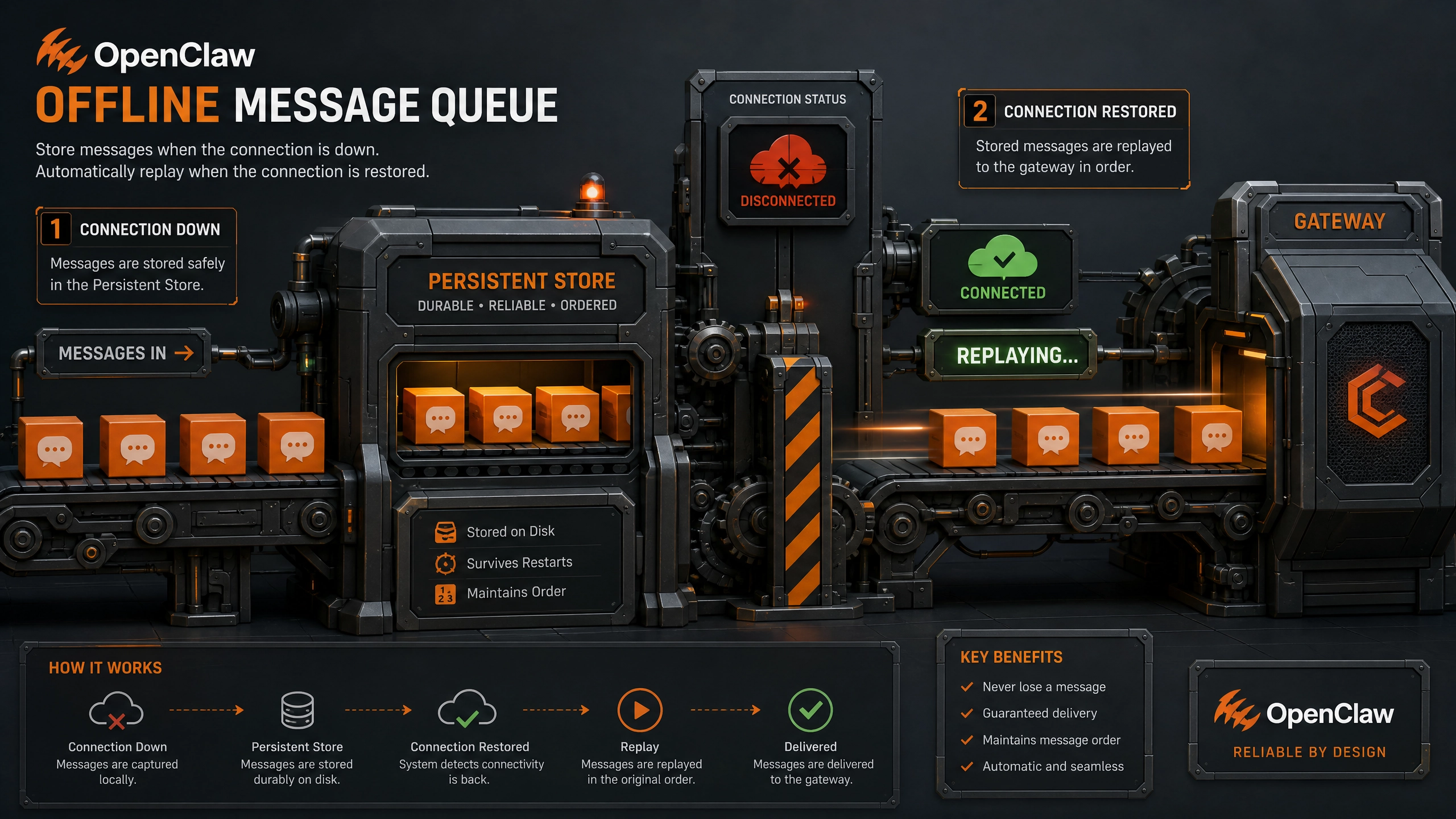
方案 3:消息队列(大规模生产级)
# 使用 Celery 的任务定义
@app.task(bind=True, max_retries=3)
def async_ai_call(self, prompt: str):
    try:
        result = OpenAIWrapper.call(prompt)
        cache.set(f'result:{task_id}', result)  # 结果缓存
    except RateLimitError as exc:
self.retry(exc=exc, countdown=60) # 指数退避 - ✅ 优点:削峰填谷、自动重试、资源隔离
- ❌ 缺点:架构复杂度高,需要维护中间件
核心实现:四层防护体系
1. 统一接口网关(FastAPI 示例)
from fastapi import APIRouter

router = APIRouter(prefix="/v1/ai")

@router.post("/completions")
async def create_completion(prompt: CompletionRequest):
    """
    标准化入口:- 参数校验
    - 身份认证
    - 计量统计
    """
    task = async_ai_call.delay(prompt.text)  # 转异步队列
    return {"task_id": task.id}
2. 健壮的请求封装类
class AIRequest:
    def __init__(self, api_key: str):
        self._session = requests.Session()
        self._adapter = HTTPAdapter(
            max_retries=3,
            pool_connections=100,
            pool_maxsize=100
        )
        self._session.mount("https://", self._adapter)

    @retry(wait=wait_exponential(), stop=stop_after_attempt(3))
    def call_with_retry(self, url: str, payload: dict) -> dict:
        """
        带指数退避的请求方法:- 自动处理 429 状态码
        - 类型安全的返回解析
        """
        resp = self._session.post(url, json=payload, timeout=(3.1, 10))
        resp.raise_for_status()  # 转换 HTTP 错误
        return resp.json()
3. 熔断机制实现
from circuitbreaker import circuit

@circuit(
    failure_threshold=5,
    recovery_timeout=30,
    expected_exception=AIError
)
def call_unstable_api():
    # 当连续 5 次失败后,自动熔断 30 秒
    pass
4. 监控埋点(Prometheus 客户端)
from prometheus_client import Counter, Histogram

REQUEST_COUNT = Counter('ai_requests_total', 'Total API calls')
LATENCY = Histogram('ai_latency_seconds', 'Request processing time')

@LATENCY.time()
def process_request():
    REQUEST_COUNT.inc()
    # 业务逻辑...
生产环境避坑指南
异步陷阱:上下文管理器
# 错误示范(可能资源泄漏)async with aiohttp.ClientSession() as session:
    await session.get(url)  # 如果超时,连接未正确关闭

# 正确做法
from async_timeout import timeout

try:
    async with timeout(5), aiohttp.ClientSession() as session:
        await session.get(url)
except asyncio.TimeoutError:
    logger.warning("请求超时")
GIL 规避技巧
# CPU 密集型任务改用 ProcessPoolExecutor
with ProcessPoolExecutor() as executor:
    results = list(executor.map(heavy_compute, inputs))

# IO 密集型用 ThreadPoolExecutor 足够
with ThreadPoolExecutor(max_workers=100) as executor:
    futures = [executor.submit(io_bound_task, x) for x in range(100)]
API 版本兼容方案
# 在路由层做版本控制
router = APIRouter()

@router.get("/items/{id}", deprecated=True)
async def read_item_v1(id: str): ...

@router.get("/v2/items/{id}")
async def read_item_v2(id: UUID): ...
开放性问题
- 实时性 vs 吞吐量 :当 99% 的请求需要在 200ms 内响应,但突发流量达到常规 QPS 的 10 倍时,该如何设计队列优先级?
- 多租户隔离 :如何为不同客户分配差异化的计算资源,同时保证公平性?
- 成本控制 :在调用按 token 计费的 API 时,怎样实现自动预算预警和熔断?
实战建议:先用 Locust 进行压力测试,找到系统瓶颈后再针对性优化。记住:没有完美的架构,只有适合业务现状的权衡方案。
正文完


