
共计 1995 个字符,预计需要花费 5 分钟才能阅读完成。

1. OpenClaw Skill 基本概念与核心功能
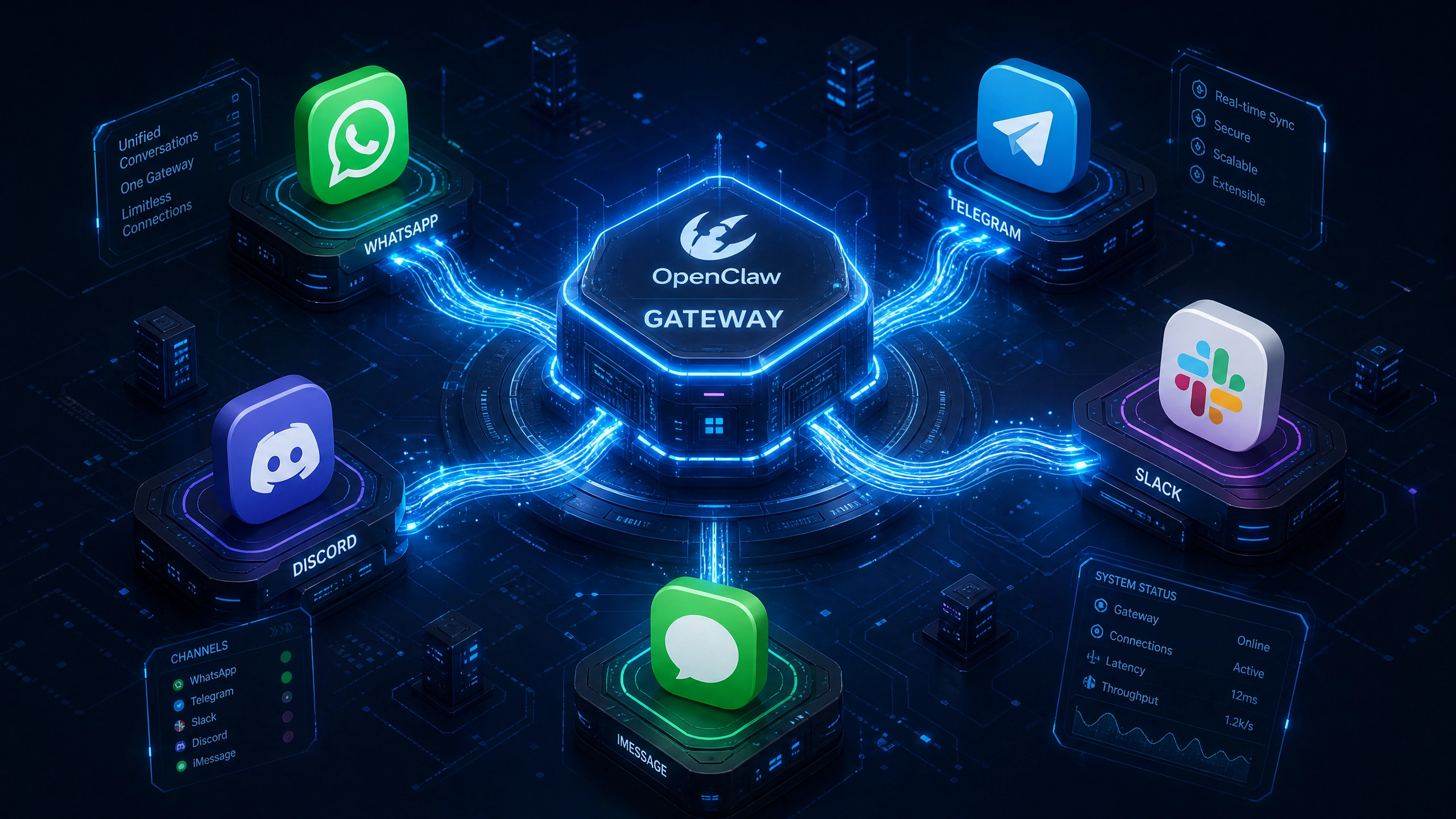
OpenClaw Skill 是用于构建智能对话能力的核心模块,可以理解为一个个可插拔的 ” 技能包 ”。主要功能包括:
- 意图识别:理解用户输入的意图
- 槽位填充:提取对话中的关键参数
- 业务逻辑处理:执行具体的功能操作
- 响应生成:返回自然语言响应
2. 常见新手配置错误及解决方案
2.1 参数格式错误
新手常犯的错误是在定义 slot 时使用了不支持的格式:
// 错误示例
"slots": {"date": "2023/01/01"  // 使用了带斜杠的日期格式}

// 正确做法
"slots": {
  "date": {
    "type": "DATE",
    "format": "yyyy-MM-dd"
  }
}
2.2 权限设置不当
忘记配置必要权限会导致 Skill 无法访问外部 API:
# 错误:没有配置 API 访问权限
response = requests.get('https://api.example.com/data')

# 正确做法
# 1. 在 manifest.json 中添加权限声明
"permissions": ["external_api"]

# 2. 使用官方 SDK 进行调用
from openclaw.sdk import APIClient
client = APIClient()
response = client.get('https://api.example.com/data')
3. 完整 Skill 创建与调试示例
3.1 Python 示例
from openclaw.skill import Skill, Response

class WeatherSkill(Skill):
    def __init__(self):
        super().__init__(
            name="weather_forecast",
            description="提供天气预报查询功能"
        )

    def handle(self, request):
        # 获取槽位参数
        city = request.slots.get("city")
        date = request.slots.get("date")

        # 业务逻辑处理
        weather_data = self.query_weather(city, date)

        # 构建响应
        return Response(text=f"{city}{date}的天气是{weather_data['condition']}",
            card={
                "title": "天气预报",
                "content": weather_data
            }
        )

    def query_weather(self, city, date):
        # 这里实现实际的天气查询逻辑
        return {"condition": "晴朗", "temp": "25℃"}
3.2 JSON 配置示例
{
  "skill": {
    "name": "weather_forecast",
    "version": "1.0.0",
    "intents": [
      {
        "name": "query_weather",
        "utterances": ["{city}的天气怎么样",
          "查一下 {city} 的天气"
        ],
        "slots": {
          "city": {
            "type": "CITY",
            "required": true
          },
          "date": {
            "type": "DATE",
            "required": false
          }
        }
      }
    ]
  }
}
4. 性能优化建议
4.1 减少冷启动时间
- 使用保持热启动模式:
"warmup": true - 预加载常用资源
- 减少初始化时的外部依赖
4.2 提高并发处理能力
# 使用异步处理
import asyncio

async def handle(self, request):
    # 异步查询天气
    weather_data = await self.query_weather_async(request.slots)
    return Response(...)
5. 生产环境部署避坑指南
5.1 日志监控
import logging

logger = logging.getLogger(__name__)

class MySkill(Skill):
    def handle(self, request):
        try:
            # 业务逻辑
            logger.info(f"Processing request: {request}")
        except Exception as e:
            logger.error(f"Error handling request: {e}", exc_info=True)
            raise
5.2 错误处理最佳实践
- 为每个 Skill 定义明确的错误码
- 实现自定义异常类
- 提供用户友好的错误信息
动手实践建议
- 从官方示例开始:克隆
openclaw/skill-examples仓库 - 使用调试工具:
openclaw-cli debug skill.json - 逐步添加复杂功能
进一步学习资源
- 官方文档:https://docs.openclaw.io/skill-dev
- 社区论坛:https://forum.openclaw.io
- 视频教程:OpenClaw Skill 开发入门系列
正文完


