
共计 2475 个字符,预计需要花费 7 分钟才能阅读完成。

模块化设计哲学
在构建 OpenClaw 的 Skill 系统时,我们首先面临的是架构选型问题。常见的模块化方案包括插件化、微服务等,每种方案都有其适用场景和局限性。
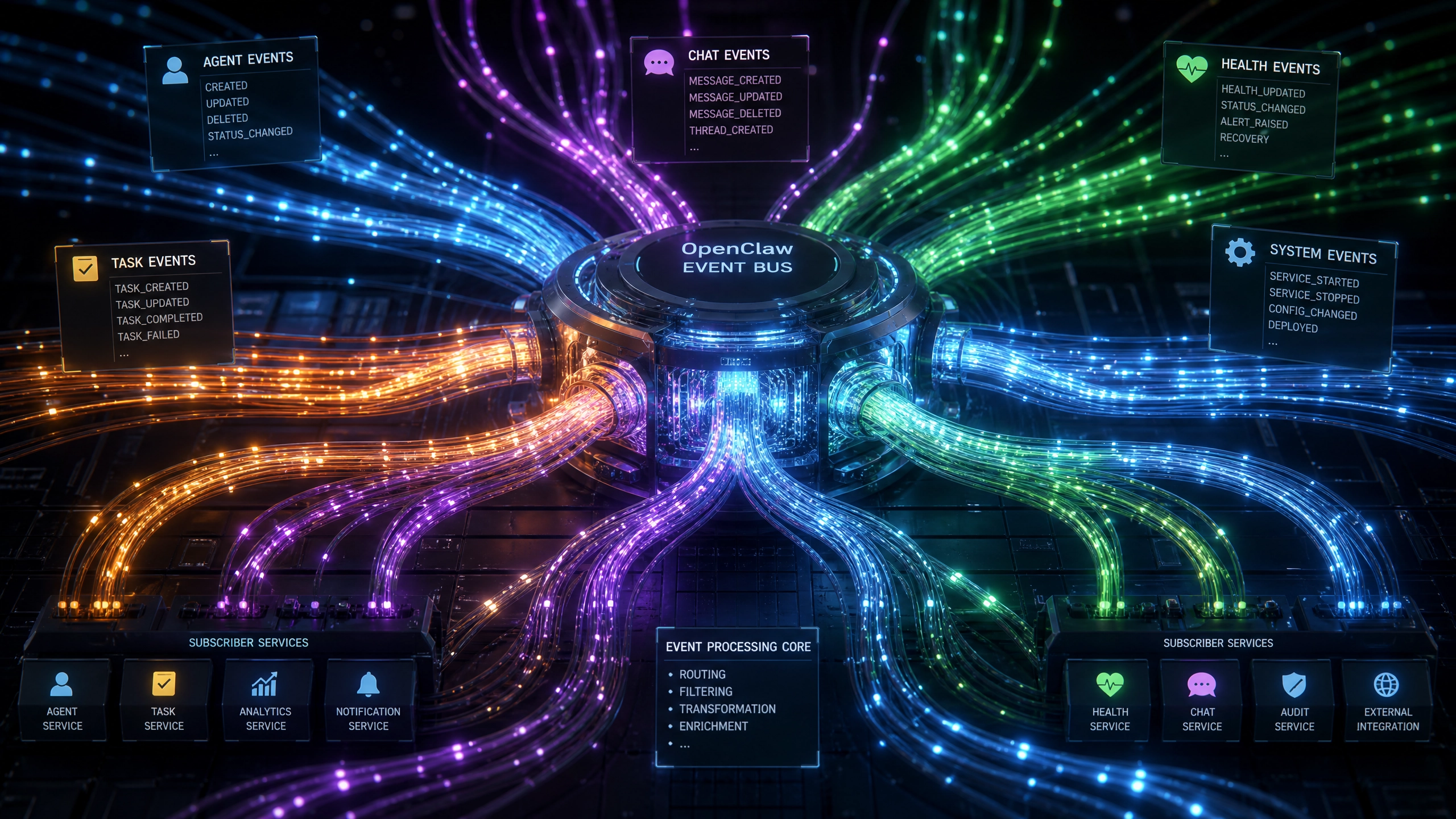
- 插件化架构:优点是开发简单、部署方便,适合功能相对简单的场景。缺点是插件之间容易产生依赖冲突,且难以实现真正的隔离。
- 微服务架构:优点是服务独立部署、可扩展性强。缺点是引入额外的网络开销,增加了系统复杂度。
OpenClaw 最终选择了基于事件总线的插件化架构,在保持轻量级的同时,通过沙箱环境实现了一定程度的隔离。
核心流程实现
1. 技能注册与发现
技能注册采用声明式 API,每个技能包必须包含一个 manifest 文件定义元数据:
# skill_manifest.yaml
name: "weather_query"
version: "1.0.0"
description: "提供天气查询功能"
trigger_phrases: ["今天天气", "天气预报"]
input_schema:
  city: {type: "string", required: true}
output_schema:
  temperature: {type: "number"}
  conditions: {type: "string"}
注册流程如下:
- 技能包上传到指定目录
- 系统扫描 manifest 文件并验证签名
- 元数据存入技能注册中心
- 触发
SkillRegistered事件
2. 技能执行链路
执行时序图关键节点:
sequenceDiagram
    Participant Client
    Participant EventBus
    Participant SkillA
    Participant SkillB

    Client->>EventBus: Publish(Event)
    EventBus->>SkillA: Match Trigger
    SkillA-->>EventBus: Accept
    EventBus->>SkillA: Execute(Input)
    SkillA->>SkillB: Call Dependency
    SkillB-->>SkillA: Return
    SkillA-->>EventBus: Return Output
    EventBus-->>Client: Final Result
标准接口实现
以下是 Python 版本的技能基础接口:
from typing import Protocol
from dataclasses import dataclass
import timeout_decorator

class SkillInput(Protocol):
    def validate(self): ...

class SkillOutput(Protocol):
    def serialize(self): ...

@dataclass
class SkillContext:
    request_id: str
    timeout_ms: int = 3000

class BaseSkill:
    """
    技能基类实现要点:1. 通过类装饰器声明元数据
    2. 输入输出采用协议类约束
    3. 默认 3 秒超时控制
    """

    @timeout_decorator.timeout(
        lambda self, ctx: ctx.timeout_ms/1000,
        timeout_exception=TimeoutError
    )
    def execute(self, input: SkillInput, ctx: SkillContext) -> SkillOutput:
        input.validate()  # 契约测试入口
        return self._do_execute(input, ctx)

    def _do_execute(self, input: SkillInput, ctx: SkillContext) -> SkillOutput:
        raise NotImplementedError
性能优化实践
1. 冷启动加速
采用预加载 + 缓存策略:
- 系统启动时加载高频技能
- 维护 LRU 缓存保留最近使用技能
- 对 Python 技能使用 PyPy 加速
2. 资源隔离
通过 cgroups 实现:
# 为每个技能分配 CPU 份额
cgcreate -g cpu:/skill_weather
cgset -r cpu.shares=512 skill_weather
生产环境验证
1. 依赖冲突检测
使用 pipdeptree 分析依赖图,在 CI 阶段阻断冲突版本:
# 检测示例
conflicts = {'numpy': {'required': '>=1.20', 'found': '1.19.5'},
    'requests': {'required': '^2.25', 'found': '2.24.0'}
}
2. 熔断设计
基于滑动窗口统计失败率:
// Go 实现简版熔断器
type CircuitBreaker struct {
    failureThreshold int
    windowSize       time.Duration
    lastErrors       []time.Time
    mutex            sync.Mutex
}

func (cb *CircuitBreaker) Allow() bool {cb.mutex.Lock()
    defer cb.mutex.Unlock()

    // 清理过期错误记录
    now := time.Now()
    for len(cb.lastErrors) > 0 &&
        now.Sub(cb.lastErrors[0]) > cb.windowSize {cb.lastErrors = cb.lastErrors[1:]
    }

    return len(cb.lastErrors) < cb.failureThreshold
}
3. 灰度发布
采用标签路由策略:
- 新版本技能标记为
canary - 通过请求头
X-Skill-Version: canary触发 - 监控对比新旧版本指标
扩展思考
跨语言支持
可能的实现路径:
- 定义 gRPC 服务契约
- 各语言实现 SDK
- 通过 sidecar 模式通信
版本兼容
推荐方案:
- 语义化版本控制
- 维护版本迁移指南
- 自动生成适配层代码
总结
OpenClaw 的 Skill 系统通过事件驱动架构平衡了灵活性和性能,在实践中验证了插件化方案的可行性。对于需要更高隔离度的场景,可以考虑结合 WebAssembly 等技术进一步强化沙箱能力。
正文完


