
共计 2656 个字符,预计需要花费 7 分钟才能阅读完成。

一、OpenClaw 框架与 Skill 定位
OpenClaw 是一个面向自动化流程编排的 Python 框架,其核心设计理念是通过 Skill 机制 将复杂业务逻辑拆解为可组合的原子化单元。Skill 在框架中承担着类似 ” 乐高积木 ” 的角色——每个 Skill 封装特定功能(如数据清洗、API 调用),开发者通过编排这些积木快速构建完整业务流程。
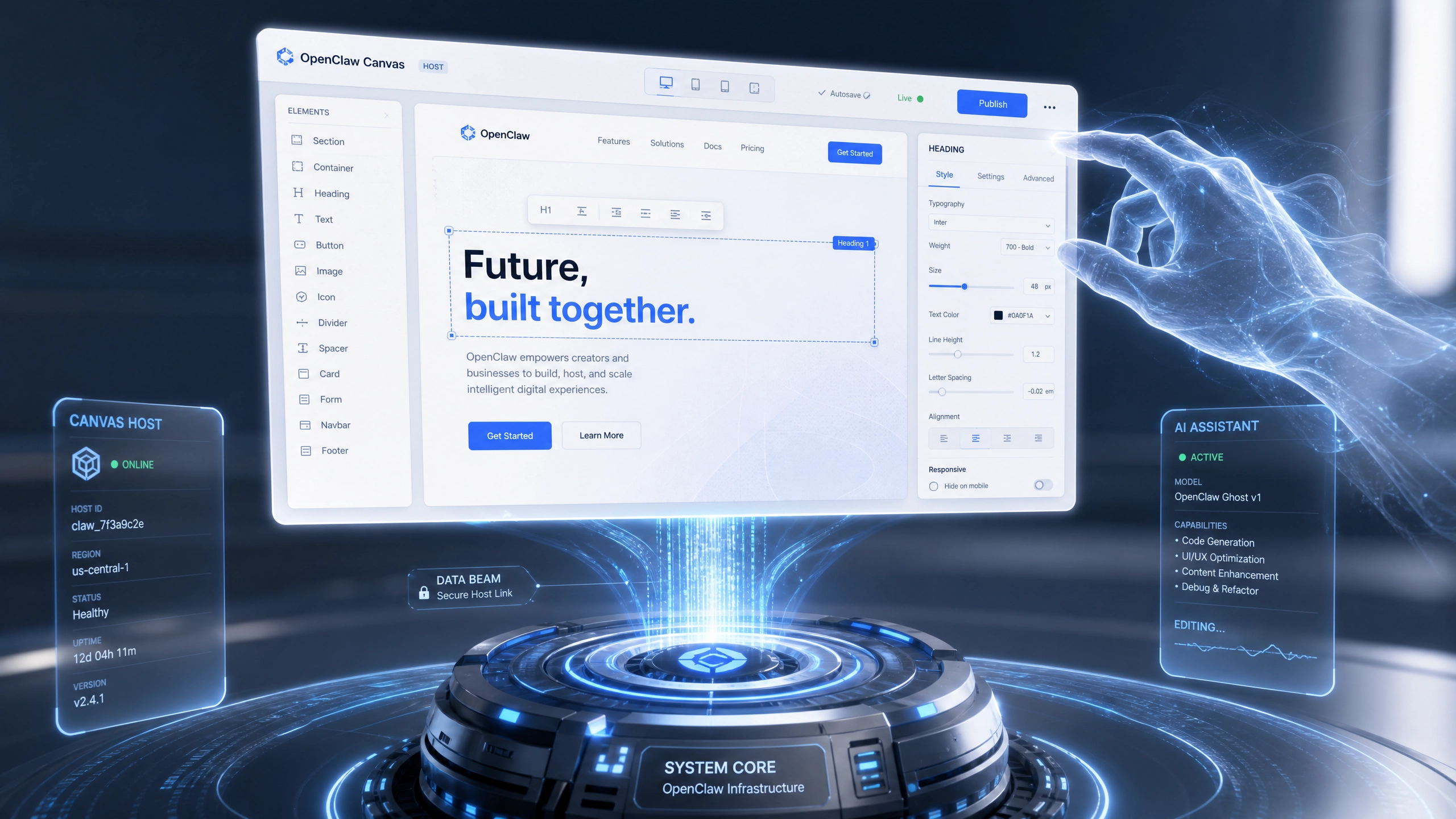
与传统硬编码脚本相比,Skill 化管理的优势体现在:
- 解耦性:各 Skill 独立开发测试,修改内部实现不影响其他模块
- 复用性:通用 Skill(如邮件发送)可跨项目共享
- 可观测性:框架原生支持 Skill 级执行日志和指标收集
二、Skill 核心要素拆解
1. 输入 / 输出接口规范
每个 Skill 必须明确定义输入输出的数据结构。推荐使用 Pydantic 模型进行声明:
from pydantic import BaseModel

class DataCleaningInput(BaseModel):
    raw_text: str
    remove_stopwords: bool = True

class DataCleaningOutput(BaseModel):
    cleaned_text: str
    word_count: int
2. 执行上下文管理
Skill 可通过 context 参数获取框架提供的运行时资源:
def execute(self, input_data: DataCleaningInput, context) -> DataCleaningOutput:
    logger = context.logger  # 使用框架日志器
    cache = context.cache    # 访问共享缓存
3. 错误处理机制
建议定义明确的错误类型体系:
class SkillError(Exception):
    """Base exception for all skill-related errors"""

class InvalidInputError(SkillError):
    """Raised when input validation fails"""
三、完整 Skill 示例代码
from typing import Optional
from openclaw.core.skill import BaseSkill

class SentimentAnalysisSkill(BaseSkill):
    """
    情感分析 Skill

    Args:
        model_path: 预训练模型路径
        min_confidence: 最低置信度阈值(0-1)
    """

    def __init__(self, model_path: str, min_confidence: float = 0.6):
        self.model = load_model(model_path)
        self.min_confidence = min_confidence

    class InputModel(BaseModel):
        text: str
        language: Optional[str] = "en"

    class OutputModel(BaseModel):
        sentiment: Literal["positive", "neutral", "negative"]
        confidence: float

    def execute(self, input_data: InputModel, context) -> OutputModel:
        """执行情感分析"""
        if not input_data.text.strip():
            raise InvalidInputError("Empty input text")

        result = self.model.analyze(
            text=input_data.text,
            lang=input_data.language
        )

        if result.confidence < self.min_confidence:
            raise SkillError(f"Confidence too low: {result.confidence}")

        return self.OutputModel(
            sentiment=result.label,
            confidence=result.confidence
        )
四、性能优化实践
1. 线程安全实现
对于需要共享资源的 Skill:
from threading import Lock

class DBSkill(BaseSkill):
    def __init__(self):
        self._lock = Lock()
        self._connection = None

    def get_connection(self):
        with self._lock:
            if not self._connection:
                self._connection = create_db_conn()
            return self._connection
2. Skill 预热策略
在框架启动时预加载耗时资源:
# config.yaml
skills:
  nlp:
    preload: true  # 启动时加载模型
3. 耗时监控
通过装饰器实现自动耗时统计:
from openclaw.monitor import track_latency

class MonitoringSkill(BaseSkill):
    @track_latency(histogram="skill.latency")
    def execute(self, input_data, context):
        # ... 业务逻辑
五、生产环境避坑指南
1. 循环依赖检测
使用框架提供的校验工具:
openclaw check-dependencies my_workflow.yaml2. 超时控制
在 Skill 定义中设置超时阈值:
class APISkill(BaseSkill):
    timeout_seconds = 30  # 超过该时间自动终止
3. 幂等性保证
为关键操作生成唯一执行 ID:
def execute(self, input_data, context):
    execution_id = context.generate_id()
    if context.cache.exists(execution_id):
        return context.cache.get(execution_id)
    # ... 执行逻辑
六、扩展思考
- 动态 Skill 加载:如何实现不重启服务的热更新 Skill?
- 跨语言支持:能否将非 Python 实现的组件封装为 Skill?
- 智能编排:如何利用历史执行数据自动优化 Skill 执行顺序?
通过本文的实践示例,开发者可以快速掌握 OpenClaw Skill 的核心设计理念。建议从简单的数据转换类 Skill 开始实践,逐步构建复杂的自动化流水线。
正文完


