
共计 2401 个字符,预计需要花费 7 分钟才能阅读完成。

背景介绍
在开发过程中,我们经常需要快速生成代码片段或解决技术问题。Claude Code 和 DeepSeek API 就是两个强大的工具,可以帮助开发者提高效率。
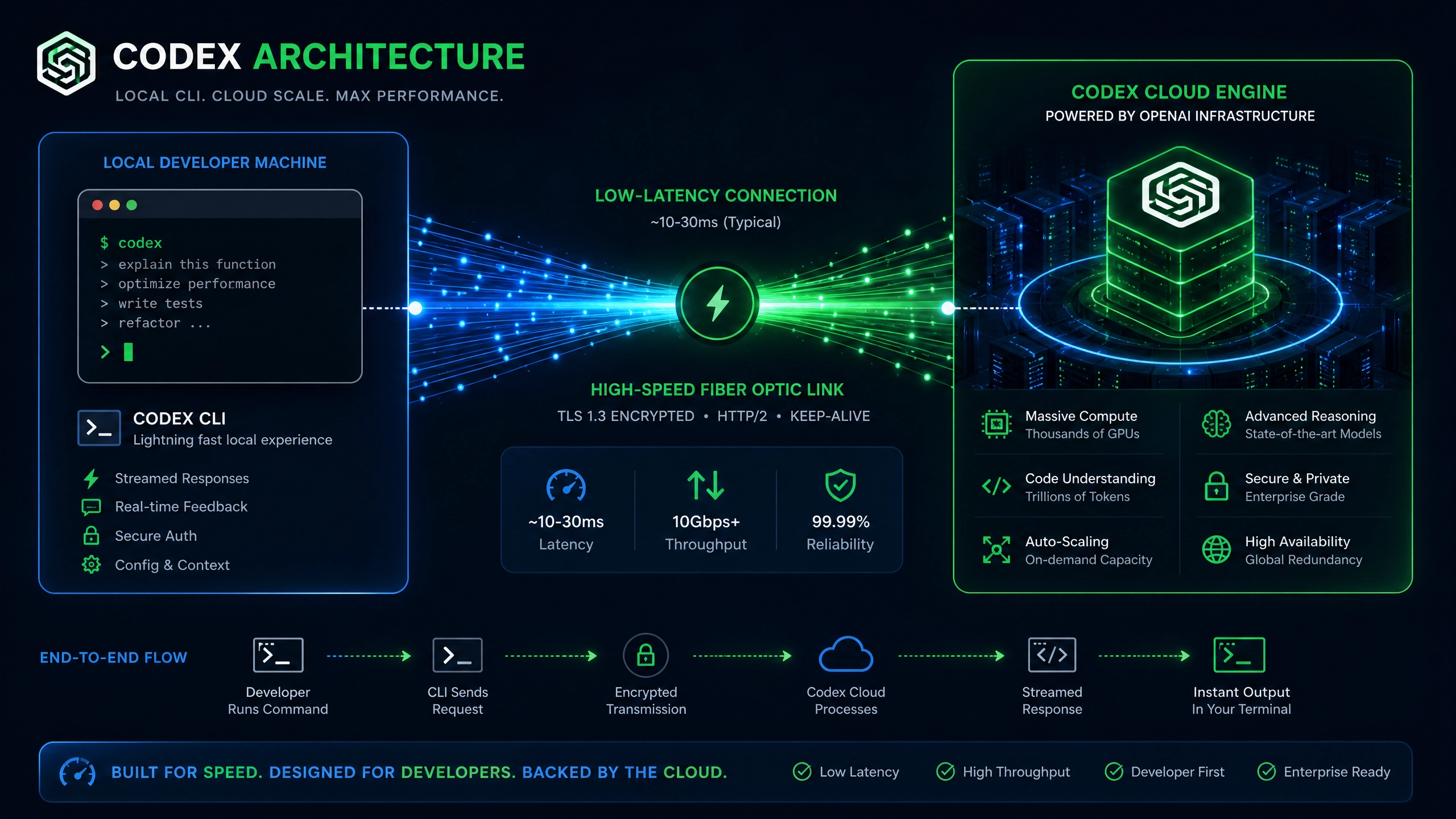
- Claude Code:专注于代码生成的 AI 模型,能够根据自然语言描述生成高质量的代码片段
- DeepSeek API:提供智能问答服务,可以解答技术问题并给出详细解释
这两种 API 的结合可以构建一个强大的开发助手,既能生成代码又能解答问题。
环境准备
在开始之前,我们需要准备以下环境:
- Python 3.8+ 环境
- 安装必要的 Python 包
pip install requests python-dotenv- 在项目根目录创建
.env文件用于存储 API 密钥
认证机制
获取 API 密钥
- 登录 Claude 和 DeepSeek 的开发者平台
- 分别创建应用并获取 API 密钥
- 将密钥存储在
.env文件中
# .env 文件内容
CLAUDE_API_KEY=your_claude_key
DEEPSEEK_API_KEY=your_deepseek_key
认证流程
在 Python 代码中,我们可以这样加载和使用 API 密钥:
import os
from dotenv import load_dotenv

load_dotenv()

CLAUDE_API_KEY = os.getenv('CLAUDE_API_KEY')
DEEPSEEK_API_KEY = os.getenv('DEEPSEEK_API_KEY')
核心实现
调用 Claude Code 生成代码片段
import requests
import json

def generate_code(prompt):
    headers = {'Authorization': f'Bearer {CLAUDE_API_KEY}',
        'Content-Type': 'application/json'
    }

    payload = {
        'prompt': prompt,
        'max_tokens': 1000,
        'temperature': 0.7
    }

    try:
        response = requests.post(
            'https://api.claude.ai/v1/code',
            headers=headers,
            data=json.dumps(payload)
        )
        response.raise_for_status()
        return response.json()['choices'][0]['text']
    except requests.exceptions.RequestException as e:
        print(f'Error calling Claude API: {e}')
        return None
调用 DeepSeek API 查询接口
def ask_deepseek(question):
    headers = {'Authorization': f'Bearer {DEEPSEEK_API_KEY}',
        'Content-Type': 'application/json'
    }

    payload = {
        'question': question,
        'max_tokens': 500
    }

    max_retries = 3
    retry_delay = 1  # seconds

    for attempt in range(max_retries):
        try:
            response = requests.post(
                'https://api.deepseek.ai/v1/query',
                headers=headers,
                data=json.dumps(payload)
            )
            response.raise_for_status()
            return response.json()['answer']
        except requests.exceptions.RequestException as e:
            if attempt == max_retries - 1:
                print(f'Final attempt failed: {e}')
                return None
            time.sleep(retry_delay * (attempt + 1))
性能优化
批处理请求
当需要处理多个请求时,可以使用批处理来提高效率:
from concurrent.futures import ThreadPoolExecutor

def batch_generate_code(prompts):
    with ThreadPoolExecutor(max_workers=5) as executor:
        results = list(executor.map(generate_code, prompts))
    return results
实现缓存
为了避免重复请求相同的 prompt,可以添加简单的缓存机制:
import functools

@functools.lru_cache(maxsize=128)
def cached_generate_code(prompt):
    return generate_code(prompt)
避坑指南
- API 调用频率限制:
-
解决方案:实现指数退避重试机制
-
响应解析失败:
-
解决方案:添加严格的 JSON 解析错误处理
-
密钥泄露风险:
-
解决方案:永远不要将 API 密钥硬编码在代码中
-
超时问题:
-
解决方案:设置合理的请求超时时间
-
模型输出不稳定:
- 解决方案:调整 temperature 参数控制输出的随机性
安全考量
- 使用环境变量存储 API 密钥
- 为 API 密钥设置最小必要权限
- 定期轮换 API 密钥
- 使用 HTTPS 加密所有 API 请求
- 记录 API 使用情况以便审计
进阶建议
- 添加用户偏好记忆功能,根据历史交互优化响应
- 实现代码风格检查功能,确保生成的代码符合团队规范
- 构建 Web 界面或 IDE 插件,提供更友好的交互体验
实践练习
- 尝试使用 Claude Code 生成一个 Python 函数,实现快速排序算法
- 使用 DeepSeek API 查询 ” 如何优化 Python 代码性能 ”
- 为 API 调用添加日志记录功能
- 实现一个简单的缓存机制,避免重复查询相同问题
- 构建一个 Flask 应用,提供 Web 界面与这些 API 交互
正文完


