
共计 2140 个字符,预计需要花费 6 分钟才能阅读完成。

背景痛点:传统脚本与智能体的本质差异
开发者在初次接触 Agent 智能体时,往往难以理解其与传统脚本程序的核心区别。具体而言,传统脚本是线性执行的指令集合,而智能体则具备环境感知、自主决策和持续学习三大特征。这种差异导致开发者在以下环节频繁踩坑:
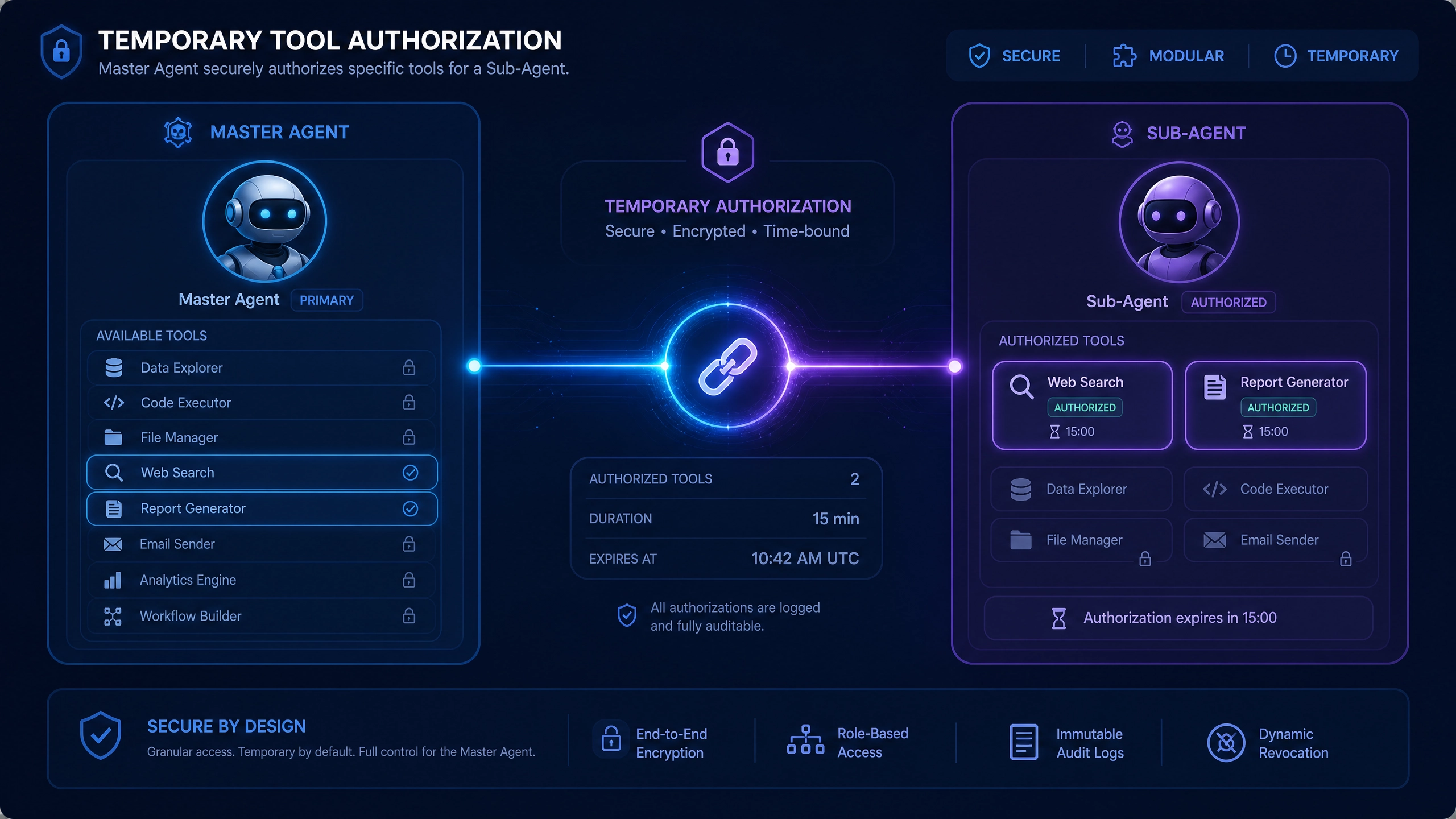
- 消息路由(Message Routing):误用全局变量传递上下文,导致多轮对话状态混乱
- 上下文维护(Context Preservation):未实现对话历史的有效压缩和存储,引发内存溢出
- 工具调度(Tool Dispatching):同步调用阻塞主线程,造成系统假死
技术选型:主流框架对比
| 框架 | 扩展性(Extensibility) | 学习曲线(Learning Curve) | 适用场景(Use Case) |
|---|---|---|---|
| LangChain | ★★★★★ | ★★★☆☆ | 复杂业务流程编排 |
| AutoGPT | ★★☆☆☆ | ★★★★★ | 快速原型开发 |
| SemanticKernel | ★★★★☆ | ★★★☆☆ | 企业级知识管理 |
核心实现:基础 Agent 类构造
from typing import Dict, List, Callable
from enum import Enum, auto

class AgentState(Enum):
    IDLE = auto()
    RUNNING = auto()
    ERROR = auto()

class BaseAgent:
    def __init__(self, max_context_size: int = 10):
        self._state = AgentState.IDLE
        self._tools: Dict[str, Callable] = {}
        self._context = []
        self._max_context = max_context_size

    def add_tool(self, name: str, func: Callable) -> None:
        """工具注册 (tool registration) 方法"""
        if not callable(func):
            raise TypeError('Tool must be callable')
        self._tools[name] = func

    def _change_state(self, new_state: AgentState) -> None:
        """状态机转换逻辑"""
        if self._state == AgentState.ERROR and new_state != AgentState.IDLE:
            raise RuntimeError('Cannot transit from ERROR state')
        self._state = new_state
避坑指南:生产环境高频问题
- 会话上下文溢出(Context Overflow)
def add_to_context(self, message: str):
    # 使用 LRU 策略维护固定长度上下文
    if len(self._context) >= self._max_context:
        self._context.pop(0)
self._context.append(message)- 工具调用死锁(Tool Deadlock)
async def execute_tool(self, tool_name: str):
    if tool_name not in self._tools:
        raise KeyError(f'Tool {tool_name} not registered')

    # 异步执行防止阻塞
return await asyncio.to_thread(self._tools[tool_name])- 状态不一致(State Inconsistency)
def safe_execute(self, operation: Callable):
    try:
        self._change_state(AgentState.RUNNING)
        result = operation()
        self._change_state(AgentState.IDLE)
        return result
    except Exception as e:
        self._change_state(AgentState.ERROR)
        raise
性能优化:对话历史管理
采用双向链表 + 哈希表的混合数据结构实现 O(1)时间复杂度的 LRU 缓存:
from collections import OrderedDict

class ContextCache:
    def __init__(self, capacity: int):
        self._cache = OrderedDict()
        self._capacity = capacity

    def add(self, key: str, value: str):
        if key in self._cache:
            self._cache.move_to_end(key)
        else:
            if len(self._cache) >= self._capacity:
                self._cache.popitem(last=False)
            self._cache[key] = value
开放性问题讨论
- 分布式 Agent 选举机制:在多个 Agent 实例间如何实现领导者选举(Leader Election)?
- 容错恢复策略:当主 Agent 崩溃时,备用节点如何无缝接管?
推荐阅读:
– Raft Consensus Algorithm
– Actor Model in Distributed Systems
正文完


