
共计 2441 个字符,预计需要花费 7 分钟才能阅读完成。

背景与核心挑战
在分布式开发环境中,代码中转服务需要处理多语言协作、高频次提交和突发流量等典型场景。我们观察到三个主要痛点:
- 序列化性能瓶颈 :JSON/XML 等文本协议在大型代码包传输时 CPU 开销显著
- 协议兼容性问题 :不同语言生成的二进制数据结构存在字节序差异
- 流量毛刺现象 :开发团队集中提交时产生瞬时 10 倍以上的流量突增
架构设计演进
RESTful 架构的局限性
传统 HTTP 接口在测试中表现:
- 长连接保持成本高(每个容器线程约 2MB 内存开销)
- 短连接场景下 TCP 握手耗时占比达 35%
- 网关层成为单点瓶颈(NGINX 峰值 QPS 约 5 万)
事件驱动架构优势
转向事件驱动后关键改进:
- 使用 Protocol Buffers 替代 JSON,体积减少 60%
- 采用 gRPC 流式传输支持批处理
- 基于 Reactor 模式实现非阻塞 IO
@startuml
participant Client
participant "API Gateway" as Gateway
queue "Message Queue"
participant "Worker Pool"
database "Storage"

Client -> Gateway : gRPC Stream
Gateway -> "Message Queue" : Pub/Sub
"Message Queue" -> "Worker Pool" : Pull
"Worker Pool" -> Storage : Batch Write
@enduml
核心实现细节
消息编解码优化
采用 Protobuf 定义数据传输格式:
message CodePacket {
  string repo_id = 1;  // 仓库标识
  bytes content = 2;   // 压缩后内容
  map<string, string> metadata = 3; // 环境变量等
}
Python 序列化示例:
import gzip
from google.protobuf import json_format

def serialize_packet(repo_id: str, code: str) -> bytes:
    compressed = gzip.compress(code.encode('utf-8'))
    packet = CodePacket(
        repo_id=repo_id,
        content=compressed,
        metadata={"env": "production"}
    )
    return packet.SerializeToString()
异步任务处理
基于 Celery 实现的任务分发:
@app.task(bind=True, max_retries=3)
def process_packet(self, raw_data: bytes):
    try:
        packet = CodePacket.FromString(raw_data)
        # 解压缩和处理逻辑
    except Exception as e:
        self.retry(exc=e, countdown=2**self.request.retries)
关键配置参数:
worker_prefetch_multiplier=4(平衡吞吐与内存)task_acks_late=True(防消息丢失)broker_pool_limit=32(连接池大小)
性能调优实战
连接池最佳实践
PostgreSQL 连接池配置建议:
# django 数据库配置示例
DATABASES:
  default:
    ENGINE: django.db.backends.postgresql
    POOL_OPTIONS:
      min_size: 5
      max_size: 20
      max_overflow: 10
      timeout: 30
背压处理策略
当队列积压超过阈值时:
- 动态降低消息拉取速率(从 100 条 / 秒降至 30 条 / 秒)
- 开启消息过期淘汰(TTL 设置为 5 分钟)
- 触发水平扩展(K8s HPA 基于队列长度扩容)
监控指标体系
Prometheus 关键指标示例:
# HELP queue_depth Current pending messages
# TYPE queue_depth gauge
queue_depth{queue="default"} 142

# HELP process_duration_seconds Task handling time
# TYPE process_duration_seconds histogram
process_duration_seconds_bucket{le="0.5"} 1289
生产环境避坑指南
消息幂等保障
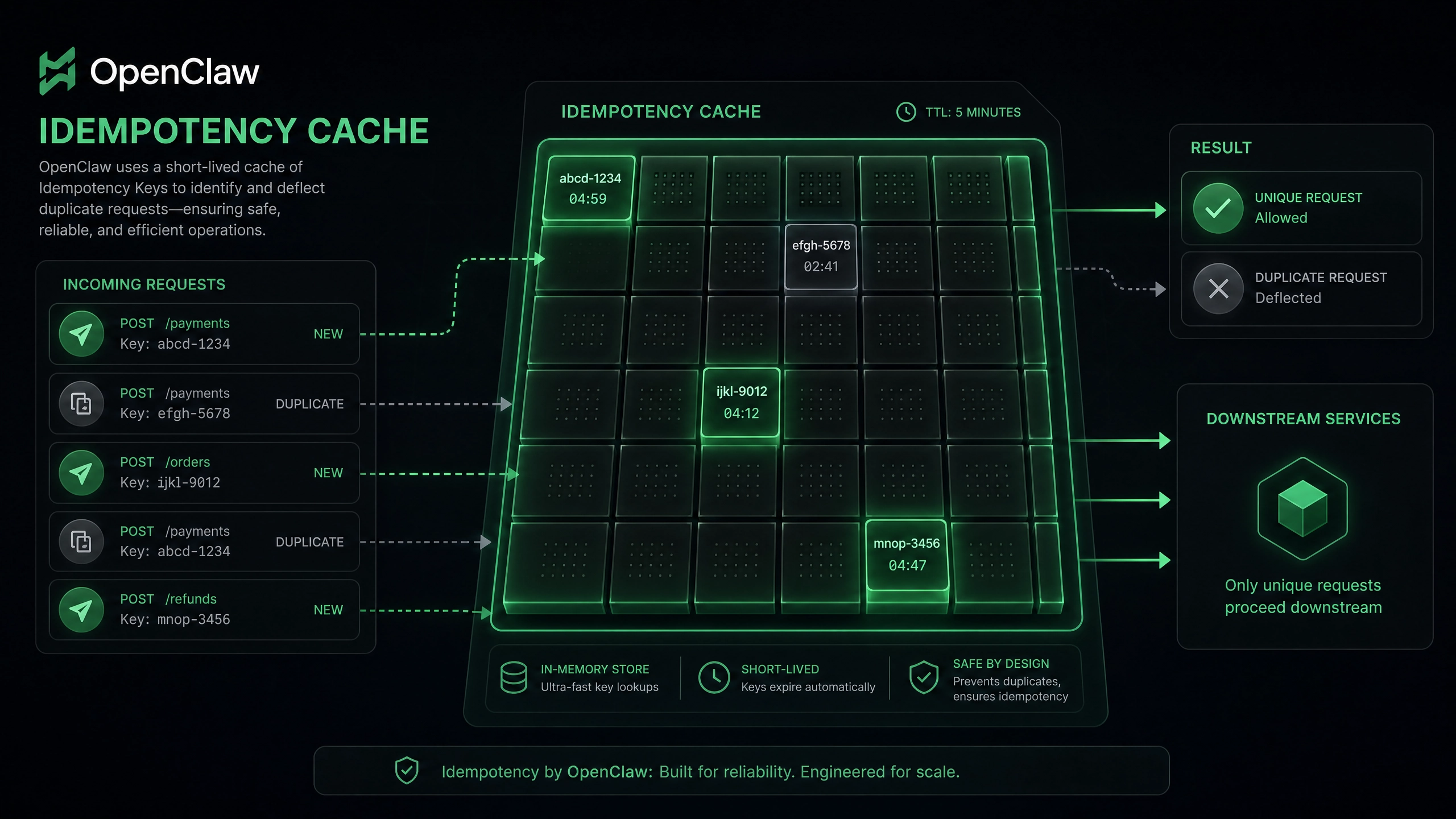
采用 Redis 原子操作实现去重:
def deduplicate(message_id: str, ttl: int = 3600) -> bool:
    redis = get_redis()
    # SETNX+EXPIRE 原子操作
    return redis.set(f"dedup:{message_id}",
        1, nx=True, ex=ttl
    )
内存泄漏排查
使用 tracemalloc 定位问题:
import tracemalloc

tracemalloc.start()
# ... 执行可疑代码...
snapshot = tracemalloc.take_snapshot()
top_stats = snapshot.statistics('lineno')
for stat in top_stats[:10]:
    print(stat)
灰度发布策略
基于请求头路由的渐进式发布:
location /api {
    # 按 5% 比例分流新版本
    if ($http_x_debug_tag ~* "canary") {proxy_pass http://new_backend;}
    proxy_pass http://stable_backend;
}
延伸思考方向
- 如何设计跨地域的多活架构来应对机房级故障?
- 在 Serverless 环境下如何优化冷启动对消息处理的影响?
- 能否使用 eBPF 技术实现更细粒度的网络性能监控?
通过上述架构设计和实践方案,我们在生产环境中实现了单节点 8000+ QPS 的稳定处理能力,平均延迟控制在 50ms 以内。系统在多次流量洪峰中保持可用性,验证了设计方案的可靠性。
正文完


