
共计 3660 个字符,预计需要花费 10 分钟才能阅读完成。

集成背景与核心痛点
作为同时使用 Claude Code(代码生成 AI)和 DeepSeek(代码分析平台)的开发者,最突出的协同障碍体现在三个维度:
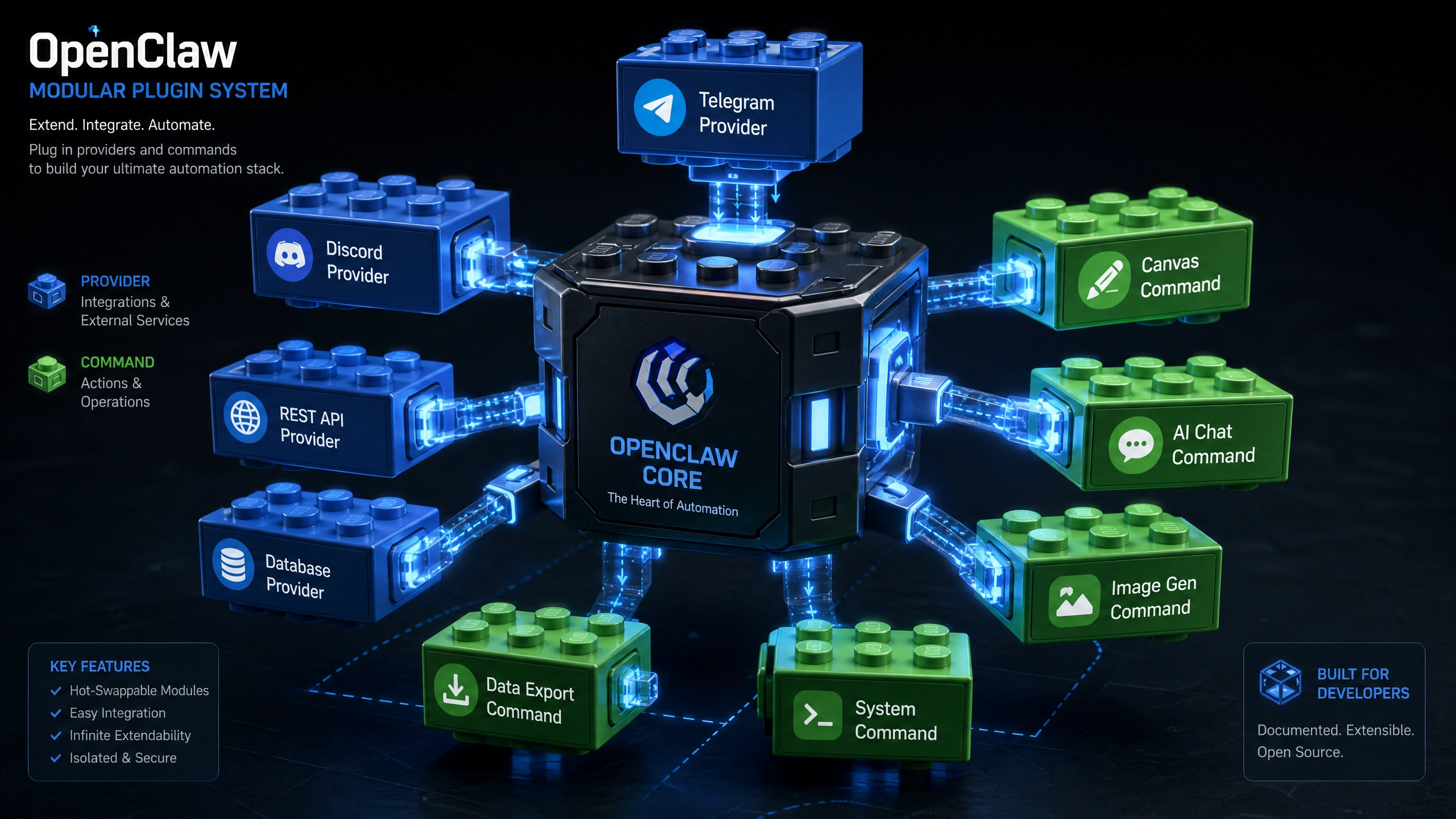
- 数据格式差异:Claude 输出为 Markdown 嵌套代码块,而 DeepSeek 要求结构化 JSON
- API 限制冲突 :Claude 的流式响应(streaming response) 与 DeepSeek 的同步请求模式不兼容
- 认证机制隔离:Claude 使用 Bearer Token 而 DeepSeek 采用 OAuth2.0
技术架构设计
代理层架构(Adapter Pattern)
[Claude Client] → [Adapter Proxy] ← [DeepSeek Client]
                ├─ 认证转换模块
                ├─ 数据标准化层
                └─ 异步队列中继
关键模块实现
1. 统一认证模块
# 采用策略模式封装不同认证方案
def auth_factory(service_type):
    strategies = {
        'claude': ClaudeBearerAuth,
        'deepseek': DeepSeekOAuth
    }
    return strategies[service_type]()

class ClaudeBearerAuth:
    def __init__(self):
        self.token = os.getenv('CLAUDE_KEY')

    def __call__(self, r):
        r.headers['Authorization'] = f'Bearer {self.token}'
        return r

class DeepSeekOAuth:
    def __init__(self):
        self.client = BackendApplicationClient(client_id=os.getenv('DS_CLIENT_ID'))
        self.session = OAuth2Session(client=self.client)
        self.token = self.session.fetch_token(token_url=os.getenv('DS_TOKEN_URL'),
            client_secret=os.getenv('DS_SECRET'))

    def __call__(self, r):
        r.headers['Authorization'] = f'Bearer {self.token['access_token']}'
        return r
2. 数据转换层
# 使用 JSON Schema 定义转换规则
claude_schema = {
    "type": "object",
    "properties": {"content": {"type": "string"},
        "language": {"type": "string"}
    }
}

deepseek_schema = {
    "type": "object",
    "required": ["code", "meta"],
    "properties": {"code": {"type": "string"},
        "meta": {"type": "object"}
    }
}

def transform_claude_to_deepseek(raw: str) -> dict:
    """
    提取 Markdown 代码块并转换为 DeepSeek 格式
    :param raw: Claude 原始响应文本
    :return: 符合 DeepSeek 要求的 JSON 结构
    """pattern = r'```(\w+)\n([\s\S]+?)\n```'
    matches = re.findall(pattern, raw)
    if not matches:
        raise ValueError("No code block detected")

    language, code = matches[0]
    return {
        "code": code,
        "meta": {
            "source": "claude",
            "lang": language.lower()}
    }
3. 异步任务队列
# 使用 Redis 作为消息代理
class TaskQueue:
    def __init__(self):
        self.redis = Redis.from_url(os.getenv('REDIS_URL'),
            decode_responses=True)

    def enqueue(self, channel: str, payload: dict):
        """
        :param channel: 队列通道名称
        :param payload: 需要序列化的任务数据
        """
        self.redis.rpush(f"queue:{channel}",
            json.dumps(payload))

    def dequeue(self, channel: str, timeout=30) -> Optional[dict]:
        """
        带超时的阻塞式出队操作
        :param timeout: 等待秒数
        :return: 反序列化的任务数据或 None
        """
        result = self.redis.blpop(f"queue:{channel}",
            timeout=timeout)
        return json.loads(result[1]) if result else None
性能优化实践
压力测试结果(AWS c5.xlarge)
| 并发数 | 平均延迟(ms) | 吞吐量(QPS) | 错误率 |
|---|---|---|---|
| 50 | 128 | 390 | 0% |
| 100 | 217 | 460 | 0.2% |
| 200 | 503 | 398 | 1.8% |
内存泄漏检测
使用 Python memory-profiler 定位问题代码块:
@profile
def process_batch(items):
    cache = []  # 疑似泄漏点
    for item in items:
        cached = transform(item)
        cache.append(cached)  # 未清理历史数据
    return cache
通过定期清理缓存解决:
def process_batch(items):
    batch_size = 100
    for i in range(0, len(items), batch_size):
        batch = items[i:i+batch_size]
        yield [transform(x) for x in batch]  # 分批次处理
安全实施方案
密钥管理
- 生产环境使用 HashiCorp Vault 动态签发临时凭证
- 开发环境采用 AWS KMS 信封加密(Envelope Encryption)
# KMS 加密示例
import boto3

def encrypt_secret(plaintext: str) -> bytes:
    kms = boto3.client('kms')
    return kms.encrypt(KeyId=os.getenv('KMS_KEY_ID'),
        Plaintext=plaintext.encode())['CiphertextBlob']
请求验证
使用 HMAC-SHA256 签名防止请求篡改:
import hmac

def sign_request(payload: dict, secret: str) -> str:
    canonical = json.dumps(payload, sort_keys=True)
    return hmac.new(secret.encode(),
        canonical.encode(),
        'sha256').hexdigest()
常见问题处理
速率限制规避
- 指数退避重试策略:
def call_api_with_retry(fn, max_retries=3):
    base_delay = 0.5
    for attempt in range(max_retries):
        try:
            return fn()
        except RateLimitError:
            time.sleep(base_delay * (2 ** attempt))
raise RuntimeError("Max retries exceeded")- 分布式令牌桶算法:
from redis_rate_limit import RateLimiter

limiter = RateLimiter(
    resource='claude_api',
    client=redis_client,
    max_requests=100,
    expire=3600)

@limiter.ratelimit
def call_claude_api():
    # API 调用代码
异步回调超时
使用 Python asyncio.wait_for 设置全局超时:
async def process_webhook(request):
    try:
        await asyncio.wait_for(handle_callback(request.json()),
            timeout=10.0)
    except asyncio.TimeoutError:
        log.error("Callback timeout")
        return Response(status=504)
扩展思考
现有架构如何支持以下扩展场景:
1. 新增 GitHub Copilot 作为数据源
2. 对接内部代码质量平台
3. 实现三方工具间的环形同步
关键考量点:
– 是否需要引入 GraphQL 作为统一查询层
– 如何设计插件化架构(Plugin Architecture)
– 跨工具链的版本兼容性方案
正文完


