
共计 2816 个字符,预计需要花费 8 分钟才能阅读完成。

技术背景
Claude Code 是一个基于生成式 AI 的代码补全和优化工具,而 Minimax 则是一种常用于决策优化的算法。它们的结合可以用于智能代码生成、自动化测试用例生成等场景。典型应用包括:
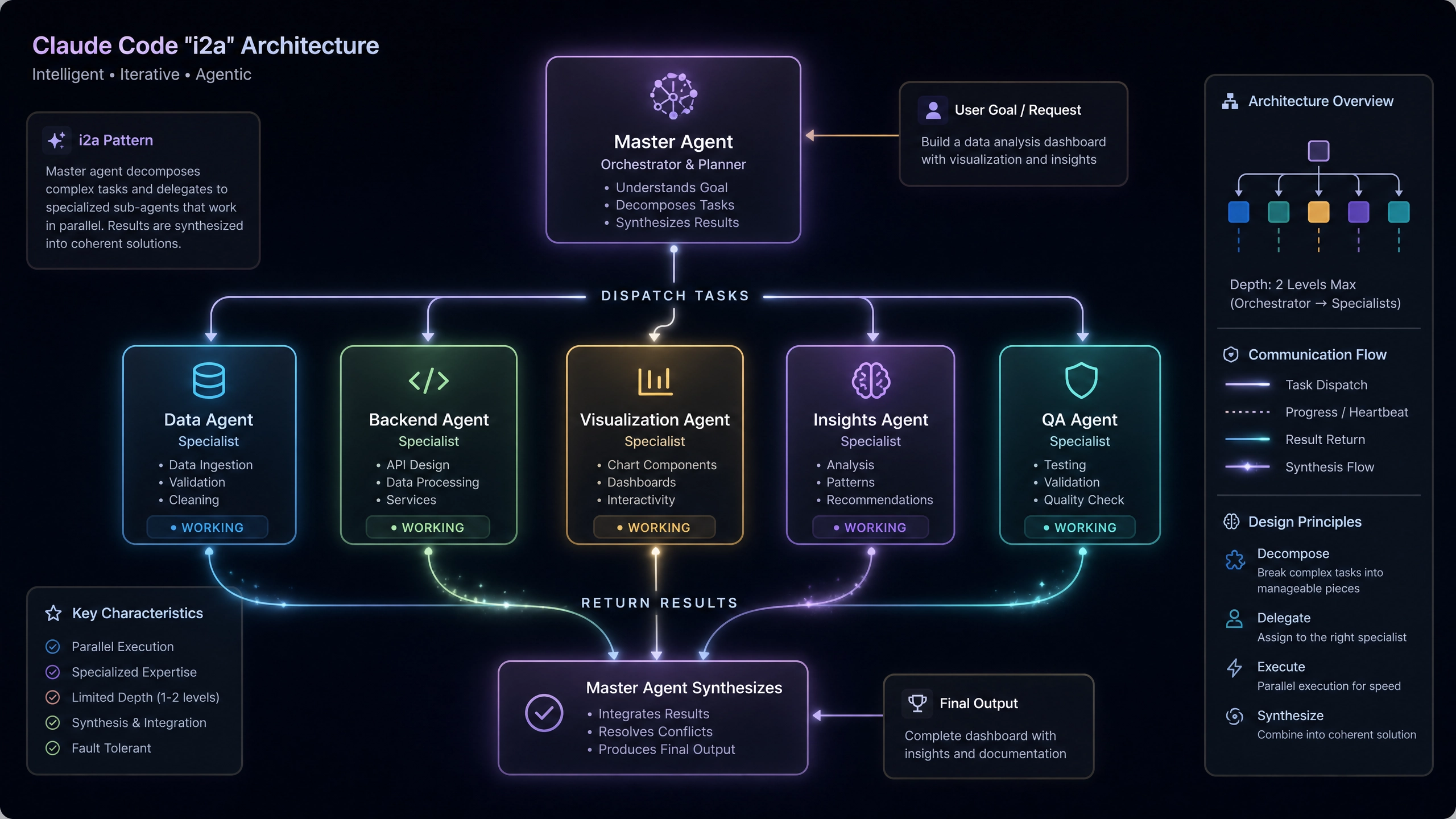
- 智能代码补全和优化建议
- 自动化测试代码生成
- 代码重构辅助
- 算法优化建议
环境准备
在开始配置前,需要确保满足以下条件:
- 硬件要求:
- 至少 4 核 CPU
- 16GB 内存
-
10GB 可用磁盘空间
-
软件依赖:
- Python 3.8+
- pip 20.0+
-
Docker(可选)
-
安装步骤:
-
创建 Python 虚拟环境:
python -m venv claude-env source claude-env/bin/activate -
安装基础依赖:
pip install claude-code minimax-algorithm numpy requests
核心配置
关键参数解析
temperature:控制生成结果的随机性(0.1-2.0)max_tokens:限制生成内容的最大长度top_p:核采样概率阈值(0.0-1.0)frequency_penalty:抑制高频词(-2.0 到 2.0)presence_penalty:抑制重复词(-2.0 到 2.0)
配置文件示例
# config.yaml
claude:
  api_key: "your_api_key_here"
  endpoint: "https://api.claude-code.com/v1"

minimax:
  depth: 3  # 搜索深度
  width: 5  # 每层扩展节点数

parameters:
  temperature: 0.7
  max_tokens: 1024
  top_p: 0.9
  frequency_penalty: 0.5
  presence_penalty: 0.5

performance:
  timeout: 30  # 超时秒数
  retries: 3    # 重试次数
性能优化
并发处理配置
使用 Python 的 concurrent.futures 实现并行处理:
from concurrent.futures import ThreadPoolExecutor

with ThreadPoolExecutor(max_workers=4) as executor:
    futures = [executor.submit(process_request, req) for req in requests]
    results = [f.result() for f in futures]
缓存策略实现
使用 Redis 作为缓存层:
import redis

cache = redis.Redis(host='localhost', port=6379, db=0)

def get_cached_response(query):
    key = f"claude:{hash(query)}"
    if cache.exists(key):
        return cache.get(key)
    response = process_query(query)
    cache.setex(key, 3600, response)  # 缓存 1 小时
    return response
超时和重试机制
import requests
from requests.adapters import HTTPAdapter
from urllib3.util.retry import Retry

session = requests.Session()
retries = Retry(
    total=3,
    backoff_factor=1,
    status_forcelist=[500, 502, 503, 504]
)
session.mount('https://', HTTPAdapter(max_retries=retries))

response = session.get(url, timeout=30)
生产环境注意事项
安全性配置
- API 密钥管理:
- 使用环境变量存储密钥
- 定期轮换密钥
-
设置最小必要权限
-
请求验证:
- 实现请求签名
- 验证来源 IP
监控指标设计
关键监控指标包括:
- 请求响应时间(P50, P90, P99)
- 错误率(4xx, 5xx)
- 并发连接数
- 缓存命中率
常见错误及解决方案
- 超时错误:增加超时阈值或优化查询
- 内存不足 :减少
max_tokens或分批处理 - API 限制:实现请求限流
实战演示
完整 Python 示例:
import os
import yaml
from claude_code import ClaudeClient
from minimax import MinimaxOptimizer

# 加载配置
with open('config.yaml') as f:
    config = yaml.safe_load(f)

# 初始化客户端
claude = ClaudeClient(api_key=config['claude']['api_key'],
    endpoint=config['claude']['endpoint']
)

# 初始化 Minimax
minimax = MinimaxOptimizer(depth=config['minimax']['depth'],
    width=config['minimax']['width']
)

def optimize_code(code):
    """优化代码的主函数"""
    # 第一步:使用 Claude 生成优化建议
    suggestions = claude.generate(prompt=f"Optimize this Python code:\n{code}",
        temperature=config['parameters']['temperature'],
        max_tokens=config['parameters']['max_tokens']
    )

    # 第二步:使用 Minimax 选择最佳优化方案
    optimized_code = minimax.optimize(
        code,
        suggestions,
        top_p=config['parameters']['top_p']
    )

    return optimized_code

# 示例用法
if __name__ == "__main__":
    sample_code = """
    def sum_list(nums):
        total = 0
        for num in nums:
            total += num
        return total
    """

    result = optimize_code(sample_code)
    print("Optimized code:", result)
架构示意图
flowchart TD
    A[用户请求] --> B[Claude Code API]
    B --> C[生成候选优化方案]
    C --> D[Minimax 算法评估]
    D --> E[选择最优方案]
    E --> F[返回优化结果]

    subgraph 缓存层
        C -->| 缓存命中 | G[Redis]
        G --> D
    end
进阶思考
- 如何设计一个动态调整
temperature参数的机制,使其能根据代码复杂度自动变化? - 在多语言代码优化场景下,应该如何扩展当前的架构设计?
- 当处理大规模代码库时,有哪些策略可以减少 Minimax 算法的计算开销?
正文完


