
共计 2693 个字符,预计需要花费 7 分钟才能阅读完成。

背景介绍
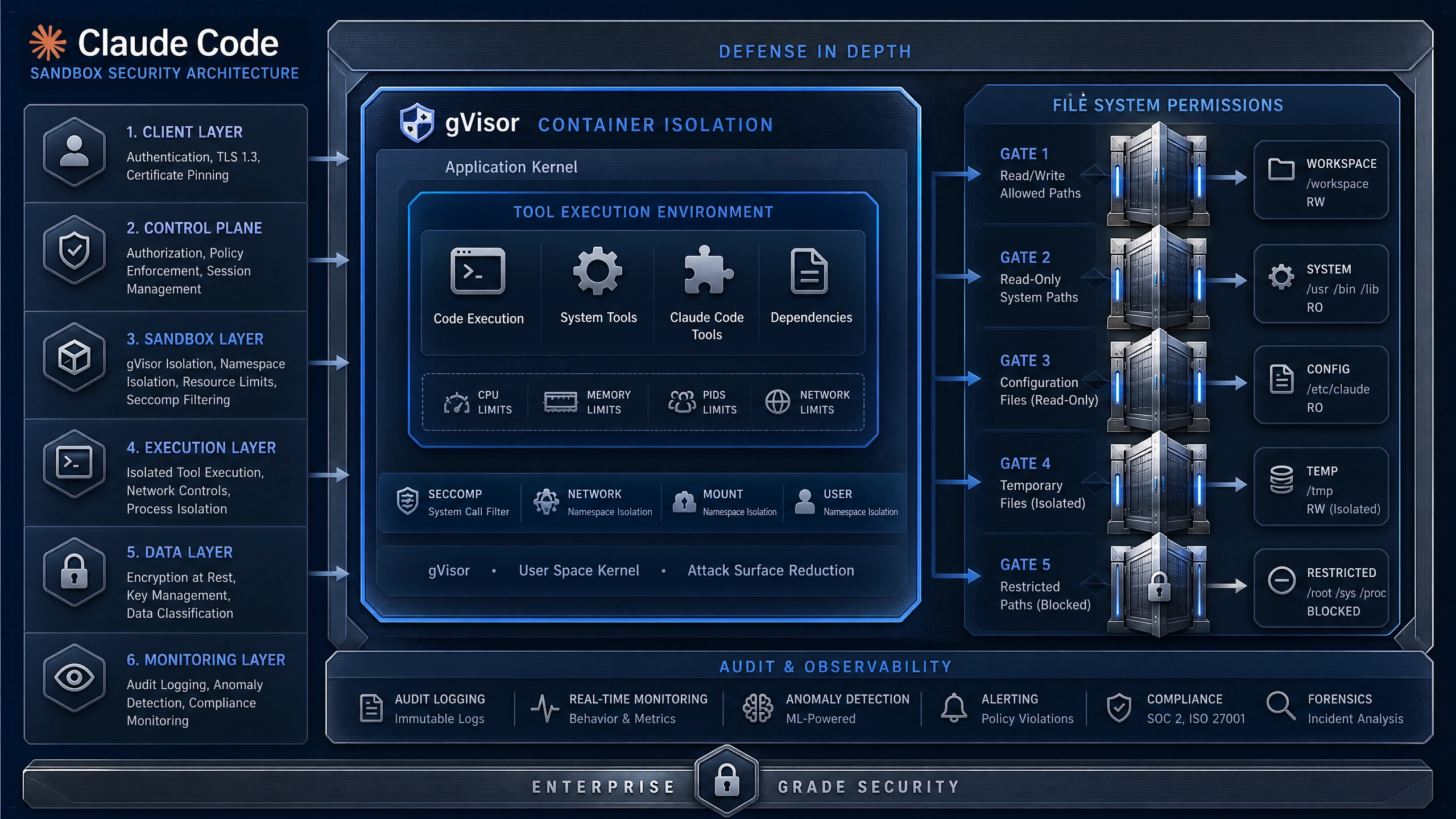
Claude Code 是 Anthropic 推出的 AI 代码助手工具,基于其强大的语言模型 Claude 构建,能够帮助开发者进行代码补全、错误检测、代码解释等任务。DeepSeek 则是一款专注于代码搜索和分析的工具,能够快速定位代码库中的特定模式或问题。两者的结合可以显著提升开发效率和代码质量。
典型应用场景包括:
- 大型代码库的维护和重构
- 新开发人员的快速上手
- 代码质量审查和优化
- 自动化测试用例生成
环境准备
在开始安装前,需要确保系统满足以下要求:
- 操作系统:Linux/macOS (Windows 需使用 WSL)
- Python 版本:3.8+
- 内存:至少 8GB
- 磁盘空间:至少 10GB 可用空间
依赖项安装:
# 基础依赖
sudo apt-get update
sudo apt-get install -y git python3-pip python3-venv

# 创建虚拟环境
python3 -m venv claude_env
source claude_env/bin/activate
Claude Code 安装指南
- 获取 Claude Code 安装包
git clone https://github.com/anthropic/claude-code.git
cd claude-code- 安装 Python 依赖
pip install -r requirements.txt- 配置 API 密钥
在 config.ini 中添加您的 Claude API 密钥:
[claude]
api_key = your_api_key_here
常见问题解决方案:
- 如果遇到 SSL 证书问题,可以尝试:
pip install --upgrade certifi - 内存不足时,可以调整模型加载参数:
from claude_code import load_model
model = load_model(device_map="auto", load_in_8bit=True)
DeepSeek 集成
API 基础调用
import requests

DEEPSEEK_API_URL = "https://api.deepseek.com/v1/search"

def deepseek_search(query, api_key):
    headers = {"Authorization": f"Bearer {api_key}",
        "Content-Type": "application/json"
    }

    payload = {
        "query": query,
        "limit": 10,
        "language": "python"
    }

    try:
        response = requests.post(DEEPSEEK_API_URL,
                               headers=headers,
                               json=payload)
        response.raise_for_status()
        return response.json()
    except requests.exceptions.RequestException as e:
        print(f"Error calling DeepSeek API: {e}")
        return None
认证配置优化
建议使用环境变量存储敏感信息:
import os
from dotenv import load_dotenv

load_dotenv()  # 从.env 文件加载环境变量

api_key = os.getenv("DEEPSEEK_API_KEY")
性能优化
并发处理
使用 aiohttp 实现异步请求:
import aiohttp
import asyncio

async def async_deepseek_search(session, query):
    url = "https://api.deepseek.com/v1/search"
    headers = {"Authorization": f"Bearer {os.getenv('DEEPSEEK_API_KEY')}"
    }
    payload = {"query": query}

    async with session.post(url, json=payload, headers=headers) as response:
        return await response.json()

async def batch_search(queries):
    async with aiohttp.ClientSession() as session:
        tasks = [async_deepseek_search(session, q) for q in queries]
        return await asyncio.gather(*tasks)
缓存策略
使用 cachetools 实现 TTL 缓存:
from cachetools import cached, TTLCache

# 设置 5 分钟过期时间的缓存
cache = TTLCache(maxsize=100, ttl=300)

@cached(cache)
def cached_search(query):
    return deepseek_search(query, os.getenv("DEEPSEEK_API_KEY"))
错误重试机制
from tenacity import retry, stop_after_attempt, wait_exponential

@retry(stop=stop_after_attempt(3),
       wait=wait_exponential(multiplier=1, min=4, max=10))
def reliable_search(query):
    result = deepseek_search(query, os.getenv("DEEPSEEK_API_KEY"))
    if not result:
        raise ValueError("Empty response")
    return result
生产环境建议
安全配置
- 使用 API 网关管理访问
- 实施速率限制
- 定期轮换 API 密钥
- 启用请求日志审计
监控方案
推荐监控指标:
- API 响应时间
- 错误率
- 并发请求数
- 缓存命中率
可以使用 Prometheus + Grafana 搭建监控系统。
扩展性考量
graph TD
    A[客户端] --> B[负载均衡器]
    B --> C[实例 1]
    B --> D[实例 2]
    B --> E[实例 3]
    C --> F[数据库集群]
    D --> F
    E --> F
延伸思考
- 如何设计一个混合使用 Claude Code 和 DeepSeek 的代码审查工作流?
- 在处理超大规模代码库时,可以采取哪些策略来优化搜索性能?
- 如何评估和比较不同 AI 代码助手工具在实际项目中的效果?
通过本文介绍的方法,您应该能够顺利搭建 Claude Code 开发环境并高效集成 DeepSeek 服务。实际应用中,建议根据具体项目需求调整配置参数,并通过监控数据持续优化系统性能。
正文完


