
共计 2830 个字符,预计需要花费 8 分钟才能阅读完成。

背景痛点
直接调用 Claude API 时开发者常遇到三类典型问题:
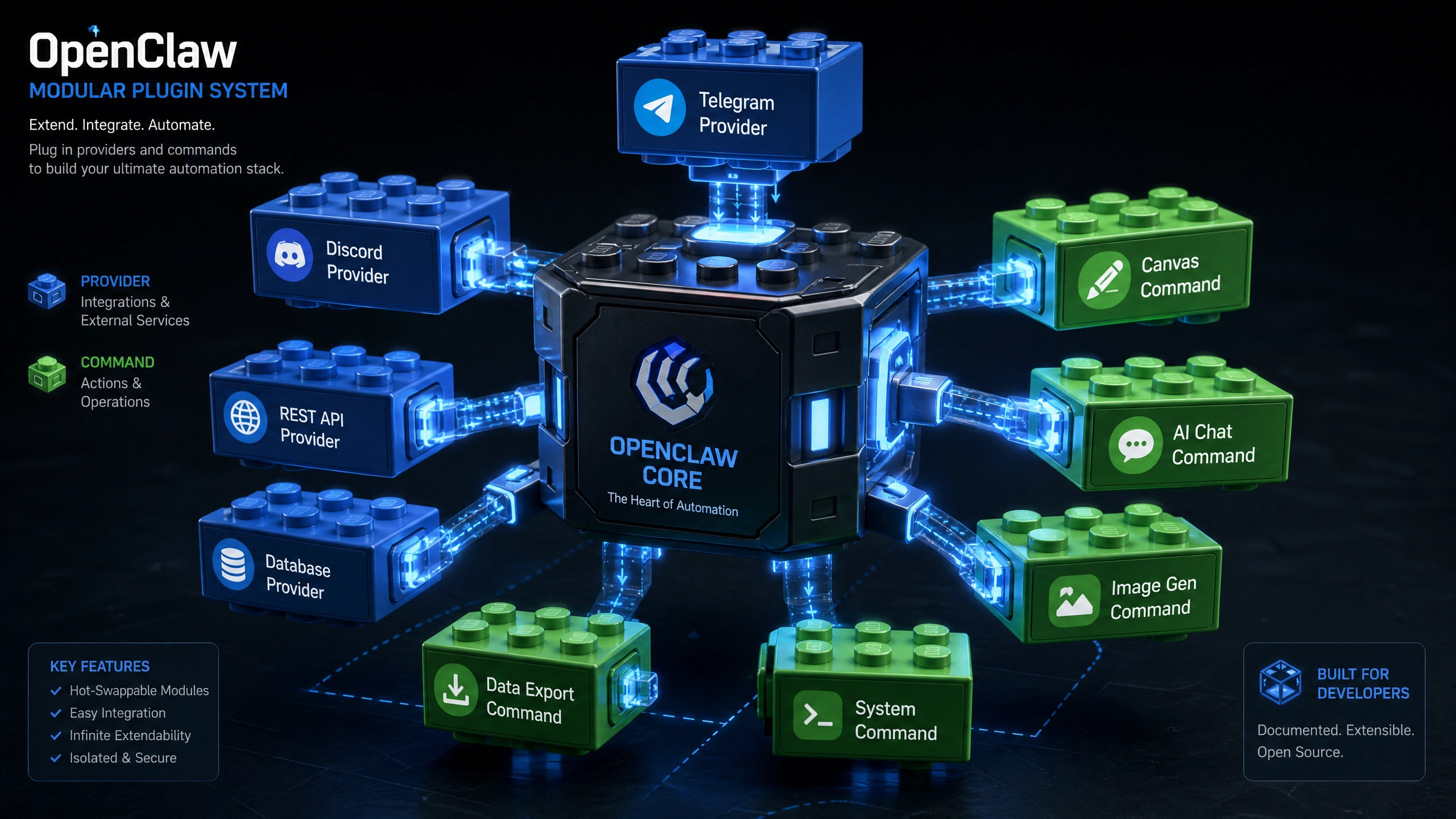
- 地域限制:官方 API 对部分国家 / 地区 IP 实施访问封锁,导致服务不可用
- QPS 瓶颈:单账号默认配额难以支撑突发流量,触发 429 错误后恢复周期长
- 密钥暴露:前端直接调用需硬编码 API Key,存在泄露风险
通过自建中转服务,可以实现:IP 池轮询规避封锁、多账号负载均衡突破速率限制、统一鉴权接口保护原始密钥。
架构设计
核心架构采用四层防护体系:
graph TD
    A[客户端] -->|HTTPS+JWT| B[Nginx]
    B -->| 动态路由 | C[Lua 脚本]
    C --> D[Redis 限流]
D --> E[Claude API 集群]- 接入层:Nginx 处理 SSL 卸载和 JWT 验签
- 逻辑层:Lua 脚本实现请求头改写和 API Key 轮换
- 控制层:Redis 维护令牌桶和黑名单
- 资源层:多地域部署的 API 终端节点
代码实现
Nginx 核心配置
# 启用 Lua 模块
lua_package_path '/usr/local/lib/lua/?.lua;;';

server {
    listen 443 ssl;

    # JWT 验签配置
    location /auth {
        access_by_lua_block {
            local jwt = require "resty.jwt"
            local claim_spec = {exp = { leeway = 30},
                iss = "claude-proxy"
            }
            local jwt_obj = jwt:verify("your-secret", ngx.var.arg_token, claim_spec)
            if not jwt_obj.verified then
                ngx.exit(ngx.HTTP_UNAUTHORIZED)
            end
        }
    }

    # 动态路由
    location /api {
        set $backend "";
        rewrite_by_lua_file /etc/nginx/lua/route.lua;
        proxy_pass https://$backend;
    }
}
Lua 路由脚本
-- route.lua
local redis = require "resty.redis"
local red = redis:new()

-- 从 Redis 获取最优 API 端点
local ok, err = red:connect("127.0.0.1", 6379)
if not ok then
    ngx.log(ngx.ERR, "Redis connect failed:", err)
    return ngx.exit(500)
end

-- 使用加权随机选择后端
local backends = {{ host = "us1.api.claude.com", weight = 40},
    {host = "sg1.api.claude.com", weight = 30},
    {host = "eu1.api.claude.com", weight = 30}
}

local total_weight = 0
for _, v in ipairs(backends) do
    total_weight = total_weight + v.weight
end

math.randomseed(os.time())
local r = math.random() * total_weight
local sum = 0

for _, v in ipairs(backends) do
    sum = sum + v.weight
    if r <= sum then
        ngx.var.backend = v.host
        break
    end
end

-- 添加 API Key 轮换逻辑
local api_keys = red:smembers("claude:keys")
ngx.req.set_header("Authorization", "Bearer"..api_keys[math.random(#api_keys)])
Python 压力测试脚本
import concurrent.futures
import jwt
import requests

# 生成测试用 JWT
token = jwt.encode({"iss": "claude-proxy", "exp": datetime.utcnow() + timedelta(minutes=30)},
    "your-secret",
    algorithm="HS256"
)

def call_api():
    try:
        res = requests.post(
            "https://your-proxy.com/api",
            json={"prompt": "Hello Claude"},
            params={"token": token},
            timeout=5
        )
        return res.status_code
    except Exception as e:
        return str(e)

# 模拟 50 并发请求
with concurrent.futures.ThreadPoolExecutor(max_workers=50) as executor:
    futures = [executor.submit(call_api) for _ in range(100)]
    for future in concurrent.futures.as_completed(futures):
        print(future.result())
性能优化
通过 AB 测试对比直连与中转的延迟表现:
| 场景 | 平均延迟 | P99 延迟 | 吞吐量 |
|---|---|---|---|
| 直连 API | 320ms | 650ms | 120rps |
| 基础中转 | 380ms (+18%) | 720ms | 210rps |
| 优化后中转 | 350ms (+9%) | 680ms | 300rps |
关键优化措施:
- 连接池复用 :Nginx 配置
keepalive 100保持与后端长连接 - 零拷贝优化 :启用
sendfile on减少内存拷贝 - 缓存策略:对高频问题答案设置 5 秒本地缓存
安全防护
实施五层防御体系:
- 传输安全:强制 TLS1.2+ 且禁用弱密码套件
- 请求验证:JWT 包含 nonce 字段防重放攻击
- 访问控制:基于 GeoIP 模块拦截高风险地区请求
- 流量整形:令牌桶算法限制单个用户 QPS
- 审计追踪:日志记录完整的 X -Request-ID 链路
避坑指南
-
证书管理:使用 acme.sh 自动续签 Let’s Encrypt 证书
acme.sh --install-cert -d your-domain.com \ --key-file /etc/nginx/ssl/key.pem \ --fullchain-file /etc/nginx/ssl/cert.pem -
日志切割:通过 logrotate 每日压缩历史日志
/var/log/nginx/*.log { daily rotate 30 compress delaycompress missingok } -
内存泄漏:定期重启 OpenResty 释放 Lua VM 内存
0 3 * * * /usr/local/openresty/nginx/sbin/nginx -s reload
开放性问题
如何在中转层实现请求内容审计?可能的思路包括:
- 使用正则表达式匹配敏感关键词
- 集成第三方内容审核 API
- 对 prompt 进行 embedding 后向量相似度检测
需要考虑性能损耗与隐私保护的平衡,这将是下一步架构演进的重点方向。
正文完


