
共计 3374 个字符,预计需要花费 9 分钟才能阅读完成。

从单体到分布式:AI Agent 的演进之路
在早期 AI 应用中,我们通常使用单体 Agent(Monolithic Agent)架构处理所有任务。这种架构虽然简单直接,但随着业务复杂度提升,暴露出三个明显缺陷:
- 计算瓶颈:单个 Agent 的 CPU/GPU 资源有限,无法并行处理多个长耗时任务
- 单点故障:一旦 Agent 进程崩溃,整个服务立即不可用
- 能力固化:所有功能耦合在同一代码库中,难以动态扩展新能力
Claude Agent Teams 通过分布式架构解决了这些问题,将任务拆解后分配给专长不同的子 Agent(Sub-Agent)协同完成。这种设计类似人类团队的『各司其职』模式,每个 Agent 只需关注自己的核心能力域(Capability Domain)。
架构对比:单体 vs Teams
| 维度 | 单体 Agent | Claude Agent Teams |
|---|---|---|
| 吞吐量(Throughput) | 受限于单节点资源 | 水平扩展 (Scale-out) 提升吞吐 |
| 容错性(Fault Tolerance) | 单点故障风险高 | 故障隔离 (Fault Isolation) 设计 |
| 扩展性(Scalability) | 需要停机部署 | 热部署 (Hot Deployment) 支持 |
| 任务复杂度 | 适合简单线性任务 | 支持 DAG(有向无环图)任务流 |
| 资源利用率 | 容易出现资源闲置或过载 | 动态负载均衡(Dynamic Load Balancing) |
核心实现机制
任务分配路由设计
sequenceDiagram
    Client->>Router: 提交任务(Task)
    Router->>Registry: 查询能力匹配的 Agents
    Registry-->>Router: 返回[Agent1, Agent2]
    Router->>Agent1: 分发子任务(SubTask)
    Router->>Agent2: 分发子任务(SubTask)
    Agent1-->>Router: 返回结果(Result)
    Agent2-->>Router: 返回结果(Result)
    Router->>Aggregator: 聚合结果
    Aggregator-->>Client: 返回最终结果
Python 实现的任务路由器
from typing import List, Dict, Any
from concurrent.futures import ThreadPoolExecutor, as_completed
import random
import time

class TaskRouter:
    def __init__(self, max_retries: int = 3):
        self.agent_registry = AgentRegistry()
        self.executor = ThreadPoolExecutor(max_workers=10)
        self.max_retries = max_retries

    def dispatch_task(self, task: Dict[str, Any]) -> Dict[str, Any]:
        """
        带重试机制的负载均衡分发
        :param task: 包含 task_type 和 payload 的字典
        :return: 聚合后的结果
        """eligible_agents = self.agent_registry.get_agents_by_capability(task['task_type'])
        if not eligible_agents:
            raise ValueError(f"No agents available for task type: {task['task_type']}")

        # 负载均衡:随机选择 + 轮询混合策略
        selected_agents = self._load_balancing(eligible_agents, task['payload'])

        futures = {}
        with ThreadPoolExecutor() as executor:
            for agent in selected_agents:
                future = executor.submit(self._execute_with_retry, agent, task)
                futures[future] = agent

            results = []
            for future in as_completed(futures, timeout=30):
                try:
                    results.append(future.result())
                except Exception as e:
                    print(f"Task failed on agent {futures[future]}: {str(e)}")

        return self.aggregate_results(results)

    def _execute_with_retry(self, agent: Agent, task: Dict[str, Any]) -> Any:
        """带指数退避的重试逻辑"""
        last_exception = None
        for attempt in range(self.max_retries):
            try:
                return agent.execute(task)
            except Exception as e:
                last_exception = e
                wait_time = (2 ** attempt) + random.uniform(0, 1)
                time.sleep(wait_time)
        raise last_exception or Exception("Max retries exceeded")
状态同步策略对比
1. 心跳检测(Heartbeat)+ 中心化存储
- 优点:实现简单,状态一致性强
- 缺点:中心存储可能成为性能瓶颈
- 适用场景:中小规模集群(<100 节点)
# 简化版心跳检测实现
class HealthMonitor:
    def __init__(self):
        self.agent_status = {}

    def update_status(self, agent_id: str):
        """Agent 定期调用此方法更新心跳"""
        self.agent_status[agent_id] = time.time()

    def check_health(self, timeout_sec=30):
        """返回失效 Agent 列表"""
        current_time = time.time()
        return [agent_id for agent_id, last_seen in self.agent_status.items()
            if current_time - last_seen > timeout_sec
        ]
2. Gossip 协议(去中心化)
- 优点:无单点故障,扩展性强
- 缺点:最终一致性,实现复杂度高
- 适用场景:大规模跨地域部署
避坑指南
分布式常见问题
- 脑裂问题(Split-Brain)
- 现象:网络分区导致多个子集群各自认为对方已下线
-
解决方案:
- 使用 Quorum 机制
- 部署奇数个协调节点
- 设置 fencing token
-
重复执行(Duplicate Execution)
- 典型场景:任务超时重试后原始请求又成功
- 防御措施:
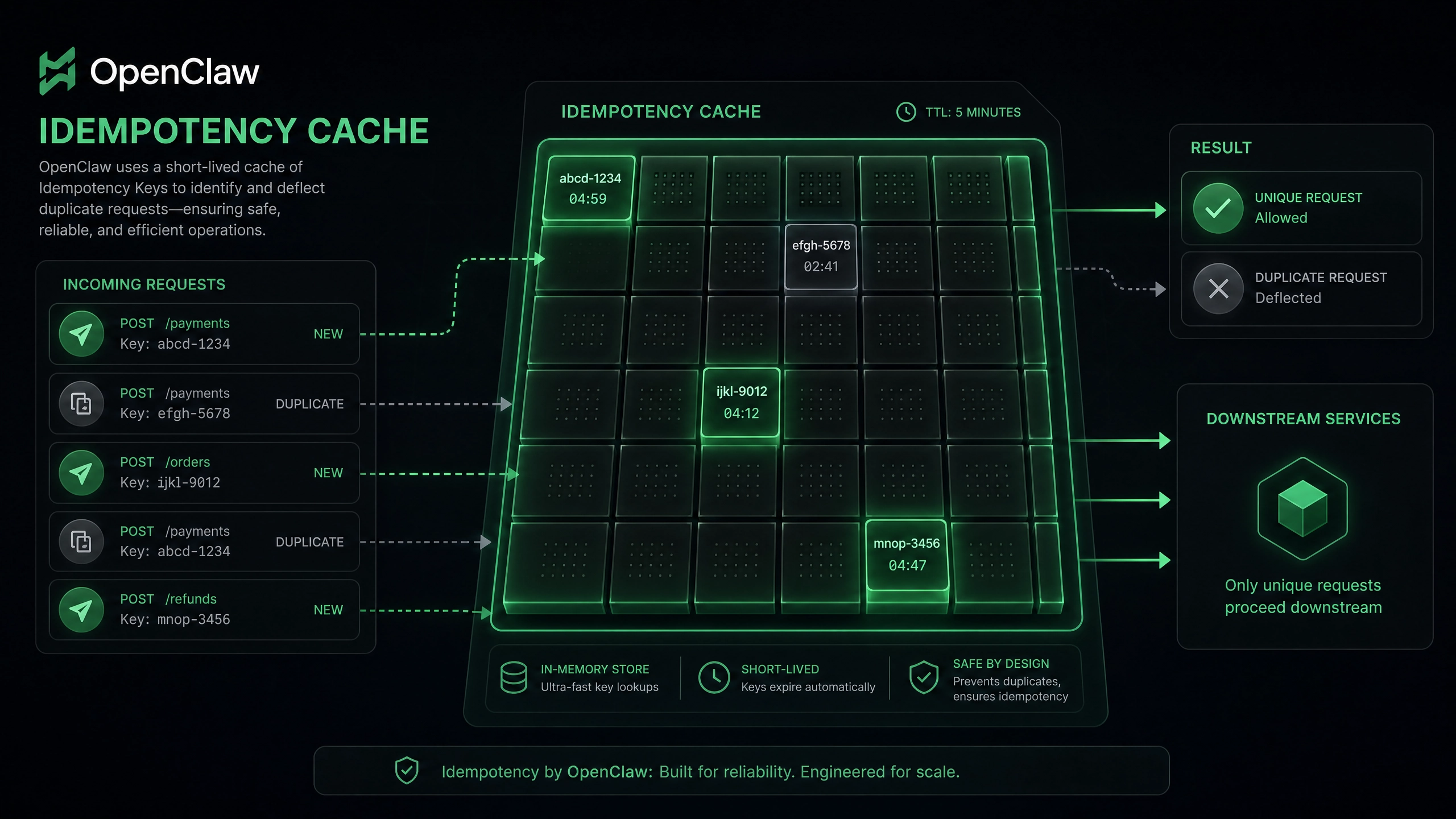
- 实现幂等处理(Idempotent Processing)
- 使用唯一任务 ID
- 记录执行状态到持久化存储
多线程安全注意事项
| 语言 | 关键注意事项 |
|---|---|
| Python | GIL 限制,建议用 multiprocessing 替代 |
| Java | 注意 volatile 和 synchronized 的使用 |
| Go | 善用 channel 避免竞态条件 |
| Node.js | 避免阻塞主事件循环 |
性能优化实战
不同规模下的延迟测试
测试环境:AWS c5.2xlarge 实例,Python 3.9
| Agents 数量 | 平均延迟(ms) | 吞吐量(req/s) |
|---|---|---|
| 5 | 120 | 850 |
| 20 | 135 | 3200 |
| 50 | 210 | 5800 |
| 100 | 350 | 7200 |
关键监控指标
- 任务积压率(Backlog Rate)
- 计算公式:
待处理任务数 / 处理能力 -
阈值建议:持续 >1 时需要扩容
-
平均响应时间(ART)
- 需区分 P50/P95/P99 值
-
典型优化手段:
- 预热线程池
- 调整批处理大小
-
错误传播率(Error Propagation)
- 监控级联故障风险
- 实现熔断机制(Circuit Breaker)
开放性问题探讨
在跨地域部署场景下,我们需要考虑:
- 如何设计满足 GDPR 要求的数据路由策略?
- 当跨国网络延迟 >300ms 时,怎样保证任务协同效率?
- 混合云环境下如何统一管理不同厂商的 Agent 资源?
期待读者在实践中探索这些问题的创新解决方案。Agent Teams 架构正在快速发展,本文讨论的模式或许只是分布式 AI 系统的起点而非终点。
正文完


