
共计 2201 个字符,预计需要花费 6 分钟才能阅读完成。

1. AI Agent Skills 基础认知
在智能体技术栈中,AI Agent Skills 是具体能力的执行单元,相当于机器人的「技能库」。它们与 LLM(大语言模型)的关系类似于「手」和「大脑」:LLM 负责理解意图和生成决策,Skills 则负责具体动作执行。例如当用户说 ” 查天气 ” 时,LLM 判断需要调用 WeatherQuerySkill,而该技能会实际完成 API 调用和数据格式化。
2. 技能实现方案对比
| 方案类型 | 适用场景 | 优点 | 缺点 |
|---|---|---|---|
| 纯 Prompt 工程 | 简单文本处理 | 开发快速,无需编码 | 复杂逻辑难以实现 |
| 函数调用 | 需要外部数据交互的场景 | 执行可靠,便于调试 | 需要编写业务逻辑代码 |
| 混合模式 | 需要动态决策的复合任务 | 兼顾灵活性和可控性 | 架构复杂度较高 |
3. 核心代码实现
3.1 技能元数据定义
from typing import Dict, Any
from pydantic import BaseModel, Field

class WeatherParams(BaseModel):
    city: str = Field(..., description="城市名称")
    date: str = Field(default="today", description="查询日期")

@skill_registry.register(
    name="weather_query",
    description="查询指定城市天气情况",
    params_schema=WeatherParams
)
class WeatherQuerySkill:
    # 后续代码将在这里实现
3.2 意图识别
import re

WEATHER_PATTERNS = [r"(.*) 的天气 (怎么样 | 如何 | 怎样)",
    r"(.*)(今天 | 明天 | 后天) 天气"
]

def match_weather_intent(text: str) -> Dict[str, str]|None:
    for pattern in WEATHER_PATTERNS:
        match = re.fullmatch(pattern, text)
        if match:
            return {"city": match.group(1).strip(),
                "date": match.group(2) if len(match.groups())>1 else "today"
            }
    return None
3.3 执行方法实现
from typing import Optional
import requests

class WeatherQuerySkill:
    # ... 接上文元数据定义

    async def execute(self, params: Dict[str, Any]) -> Dict[str, Any]:
        try:
            validated = WeatherParams(**params)
            # 实际业务逻辑
            api_url = f"https://weather-api.example.com/{validated.city}"
            resp = requests.get(api_url, timeout=5)
            resp.raise_for_status()

            return {
                "status": "success",
                "data": resp.json(),
                "metadata": {
                    "city": validated.city,
                    "date": validated.date
                }
            }
        except Exception as e:
            return {
                "status": "error",
                "message": str(e)
            }
4. 生产环境实践要点
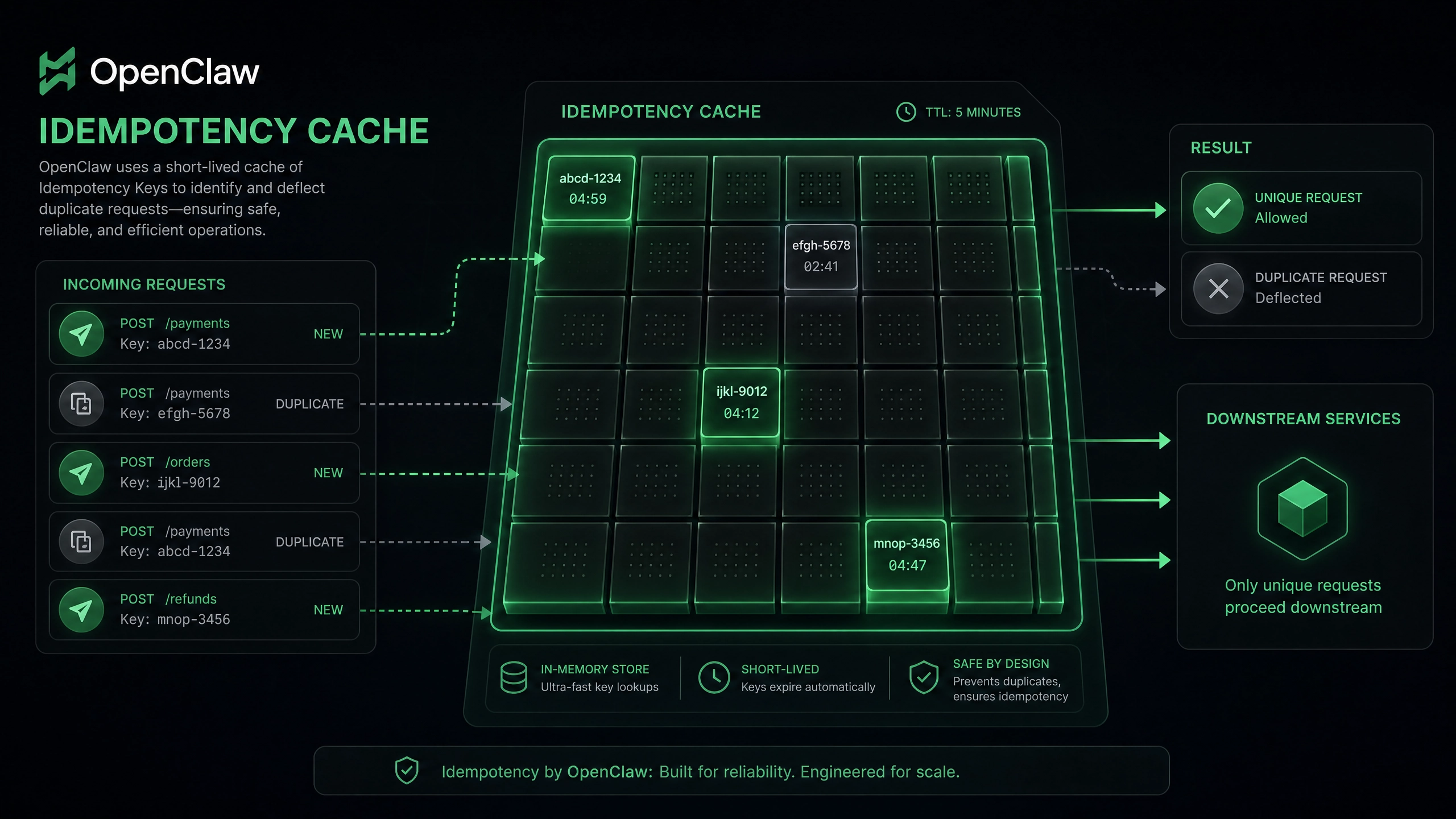
4.1 技能幂等性
- 为每个技能请求生成唯一 request_id
- 执行前检查是否已处理过相同请求
- 记录执行状态和结果
from uuid import uuid4

request_store = {}

def generate_request_id() -> str:
    return str(uuid4())
4.2 异步任务跟踪
import asyncio
from concurrent.futures import ThreadPoolExecutor

async def async_execute(skill, params):
    loop = asyncio.get_event_loop()
    with ThreadPoolExecutor() as pool:
        return await loop.run_in_executor(pool, skill.execute, params)
4.3 安全处理
- 敏感参数加密存储
- 输入参数白名单校验
- API 密钥轮换机制
from cryptography.fernet import Fernet

key = Fernet.generate_key()
cipher_suite = Fernet(key)

def encrypt_data(data: str) -> str:
    return cipher_suite.encrypt(data.encode()).decode()
5. 进阶思考方向
- 技能依赖管理 :当技能 A 需要先调用技能 B 获取数据时,如何设计优雅的依赖注入机制?
- 动态加载 :如何在运行时热更新技能模块而不重启服务?
- 监控体系 :除响应时间外,还应监控哪些关键指标(如意图识别准确率)?
6. 总结
通过本文的天气查询技能实例,我们完成了从技能设计到生产部署的完整闭环。建议读者在此基础上尝试:
– 为技能添加缓存层(如 Redis)
– 实现技能版本管理
– 构建自动化测试套件
记住好的 AI Agent Skills 应该像乐高积木——每个模块保持简单,但能通过组合实现复杂功能。
正文完


