
共计 2284 个字符,预计需要花费 6 分钟才能阅读完成。

Agent Skill 开发实战:从架构设计到性能优化的全链路指南
背景痛点
在 Agent Skill 开发中,我们常常遇到以下几个核心问题:
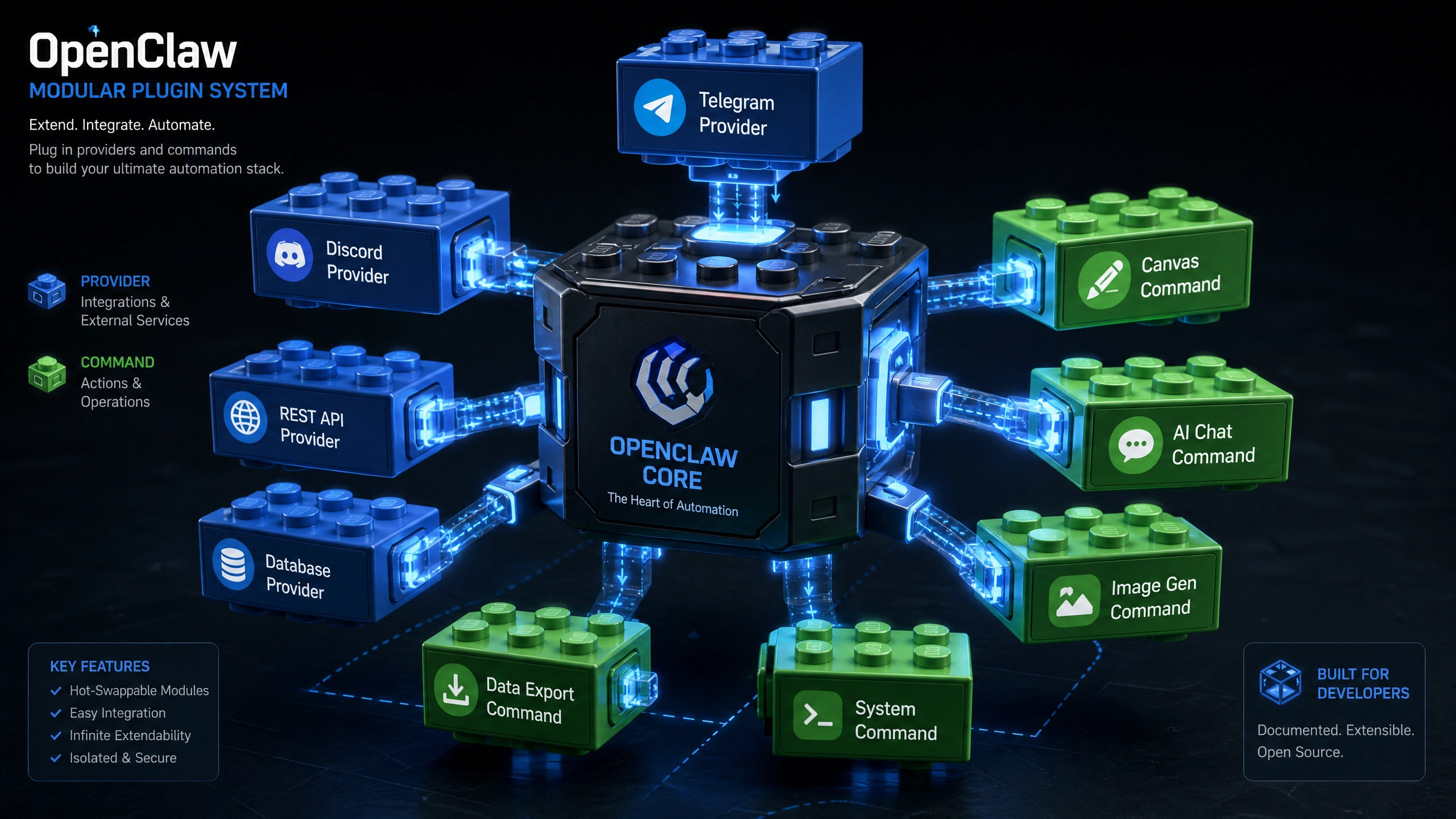
- 技能冲突(Skill Conflict):当多个技能同时请求执行时,如何合理分配资源并避免冲突
- 状态同步延迟(State Sync Delay):在分布式环境下保持技能状态的一致性
- 资源竞争(Resource Contention):特别是 CPU 和内存资源的高效利用
架构对比
1. 回调模式(Callback Pattern)
- 优点:实现简单,适合小型系统
- 缺点:容易导致回调地狱(Callback Hell),难以维护
2. 事件总线(Event Bus)
- 优点:解耦组件,扩展性强
- 缺点:事件路由复杂,调试困难
3. 协程(Coroutine)
- 优点:轻量级线程,适合高并发
- 缺点:需要语言原生支持,如 Go 的 goroutine
代码实现
Python 线程安全技能调度器
import threading
import heapq
import time

class SkillScheduler:
    def __init__(self):
        self._queue = []
        self._lock = threading.RLock()
        self._cv = threading.Condition(self._lock)

    def add_skill(self, skill, priority):
        with self._cv:
            heapq.heappush(self._queue, (-priority, time.time(), skill))
            self._cv.notify()

    def get_skill(self, timeout=None):
        with self._cv:
            while not self._queue:
                if not self._cv.wait(timeout):
                    return None
            return heapq.heappop(self._queue)[2]
Go 语言实现
package main

import (
    "container/heap"
    "sync"
    "time"
)

type Skill struct {
    Name     string
    Priority int
    time     time.Time
}

type SkillQueue []*Skill

func (sq SkillQueue) Len() int { return len(sq) }

func (sq SkillQueue) Less(i, j int) bool {if sq[i].Priority == sq[j].Priority {return sq[i].time.Before(sq[j].time)
    }
    return sq[i].Priority > sq[j].Priority
}

func (sq SkillQueue) Swap(i, j int) {sq[i], sq[j] = sq[j], sq[i] }

func (sq *SkillQueue) Push(x interface{}) {*sq = append(*sq, x.(*Skill))
}

func (sq *SkillQueue) Pop() interface{} {
    old := *sq
    n := len(old)
    x := old[n-1]
    *sq = old[0 : n-1]
    return x
}

type Scheduler struct {
    queue *SkillQueue
    lock  sync.RWMutex
    cond  *sync.Cond
}

func NewScheduler() *Scheduler {q := make(SkillQueue, 0)
    heap.Init(&q)
    s := &Scheduler{queue: &q}
    s.cond = sync.NewCond(&s.lock)
    return s
}

func (s *Scheduler) Add(skill *Skill) {s.lock.Lock()
    defer s.lock.Unlock()
    skill.time = time.Now()
    heap.Push(s.queue, skill)
    s.cond.Signal()}

func (s *Scheduler) Get(timeout time.Duration) *Skill {s.lock.Lock()
    defer s.lock.Unlock()

    if timeout <= 0 {for len(*s.queue) == 0 {s.cond.Wait()
        }
    } else {ch := make(chan struct{})
        go func() {s.cond.Wait()
            close(ch)
        }()

        select {
        case <-ch:
        case <-time.After(timeout):
            return nil
        }
    }

    return heap.Pop(s.queue).(*Skill)
}
性能优化
1. 技能预加载(Skill Preloading)
- 将常用技能提前加载到内存
- 减少冷启动时间(Cold Start Time)
2. 上下文压缩(Context Compression)
- 使用更高效的数据结构存储上下文
- 例如用 Protobuf 替代 JSON
3. 批处理 IO(Batch IO)
- 合并小的 IO 请求
- 减少系统调用次数
避坑指南
案例 1:死锁(Deadlock)
- 现象 :系统完全卡死
- 原因 :锁获取顺序不一致
- 解决 :统一锁获取顺序
案例 2:消息堆积(Message Backlog)
- 现象 :消息队列不断增长
- 原因 :消费者处理速度跟不上生产者
- 解决 :增加消费者或限流
案例 3:技能互斥(Skill Mutual Exclusion)
- 现象 :某些技能无法同时运行
- 原因 :资源冲突
- 解决 :明确资源占用声明
延伸思考
- 如何设计跨 Agent 的技能协作协议?
- 在大规模部署时,如何保证技能调度的公平性?
- 如何实现技能的动态热更新?
正文完


