
共计 1870 个字符,预计需要花费 5 分钟才能阅读完成。

背景痛点:为什么我们需要 Agent 系统
在现代分布式系统中,Agent 系统作为轻量级的自治单元,广泛用于任务调度、数据采集和实时响应等场景。比如在微服务架构中,每个服务可能需要一个 Agent 来处理本地事件,或者在物联网设备中,Agent 负责管理设备状态并与云端通信。
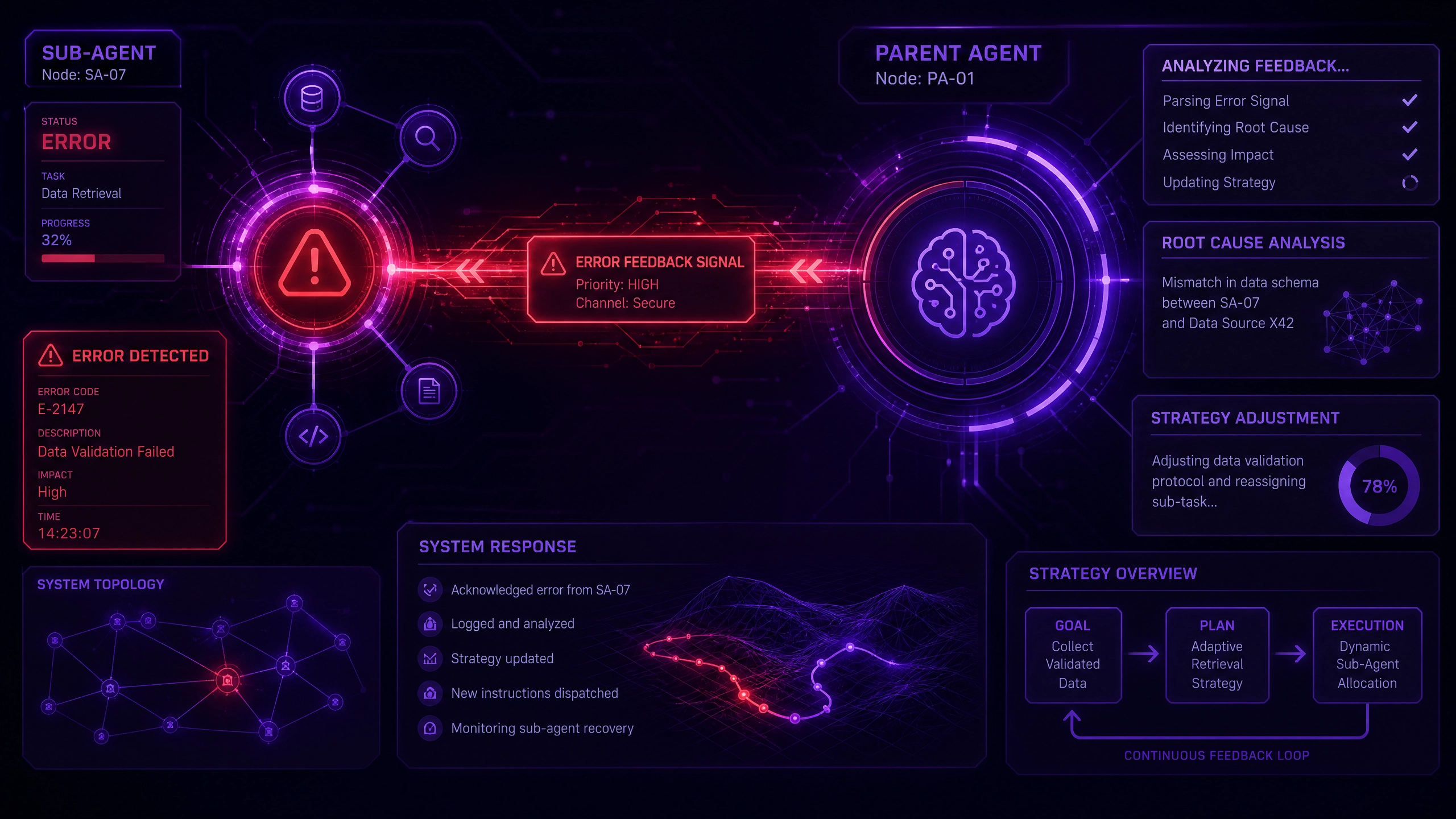
但开发 Agent 系统时,我们常遇到几个棘手问题:
- 状态同步困难:多个 Agent 间需要共享状态时,如何保证一致性?
- 消息丢失风险:网络分区或节点崩溃时,消息可能丢失。
- 性能瓶颈:高并发下,单个 Agent 可能成为系统瓶颈。
技术选型:Actor 模型 vs 状态机
Actor 模型
- 优点:
- 天然支持并发,每个 Actor 独立运行
- 通过消息传递通信,避免共享状态
- 容错性好,支持监督树(Supervision Tree)
- 缺点:
- 调试复杂,消息流难以追踪
- 需要额外框架支持(如 Akka、Erlang OTP)
状态机
- 优点:
- 状态转换明确,适合业务流程固定的场景
- 实现简单,无需复杂框架
- 缺点:
- 扩展性差,新增状态需修改核心逻辑
- 并发控制需手动实现
对于大多数分布式场景,Actor 模型 是更优选择。下面用 Go 实现一个基础 Agent:
// Agent 核心结构
type Agent struct {
    ID      string
    inbox   chan Message // 消息队列
    state   interface{}  // 内部状态
    done    chan struct{}}

// 处理消息的主循环
func (a *Agent) Run() {
    for {
        select {
        case msg := <-a.inbox:
            a.handleMessage(msg)
        case <-a.done:
            return
        }
    }
}

// 示例消息处理
func (a *Agent) handleMessage(msg Message) {
    switch msg.Type {
    case "UPDATE_STATE":
        a.state = msg.Data
    case "GET_STATE":
        msg.Sender <- a.state
    }
}
核心实现:消息处理与状态维护
关键设计
- 消息队列分离:每个 Agent 拥有独立 inbox,避免竞争
- 无锁设计:通过 channel 实现线程安全
- 状态封装:外部只能通过消息修改状态
Python 版实现(使用 asyncio)
class Agent:
    def __init__(self, agent_id):
        self.id = agent_id
        self._state = {}
        self._mailbox = asyncio.Queue()

    async def run(self):
        while True:
            msg = await self._mailbox.get()
            await self._process(msg)

    async def _process(self, msg):
        if msg["type"] == "SET":
            self._state[msg["key"]] = msg["value"]
        elif msg["type"] == "GET":
            msg["response"].set_result(self._state.get(msg["key"]))
进阶优化:性能与容错
性能调优
-
批量处理:累积消息后批量处理
func (a *Agent) batchProcess(interval time.Duration) {var batch []Message timer := time.NewTimer(interval) for { select { case msg := <-a.inbox: batch = append(batch, msg) if len(batch) >= 100 { // 达到阈值立即处理 a.processBatch(batch) batch = nil timer.Reset(interval) } case <-timer.C: if len(batch) > 0 {a.processBatch(batch) batch = nil } timer.Reset(interval) } } } -
背压机制:当消息积压时通知发送方降频
容错设计
- 持久化:定期快照状态到数据库
- 重试策略:指数退避重发失败消息
- 心跳检测:监控 Agent 健康状态
避坑指南:生产环境常见问题
- 消息乱序:
-
解决方案:为消息添加序列号,在接收端排序
-
内存泄漏:
- 典型场景:未清理的回调引用
-
修复方法:使用 WeakReference 或定期清理
-
僵尸 Agent:
- 检测手段:设置超时销毁机制
- 恢复方案:通过监督者重启
开放性问题
- 如何实现跨 Agent 的事务?
- 在 Serverless 环境中如何部署 Agent?
- 当 Agent 需要迁移节点时,如何保证状态无缝转移?
这些问题的答案可能因具体场景而异,但思考它们能帮助设计更健壮的 Agent 系统。
正文完


