
共计 2401 个字符,预计需要花费 7 分钟才能阅读完成。

背景痛点
在自动化运维、CI/CD 流水线等场景中,Agent 经常需要调用本地工具完成特定任务。但传统实现方式存在明显缺陷:
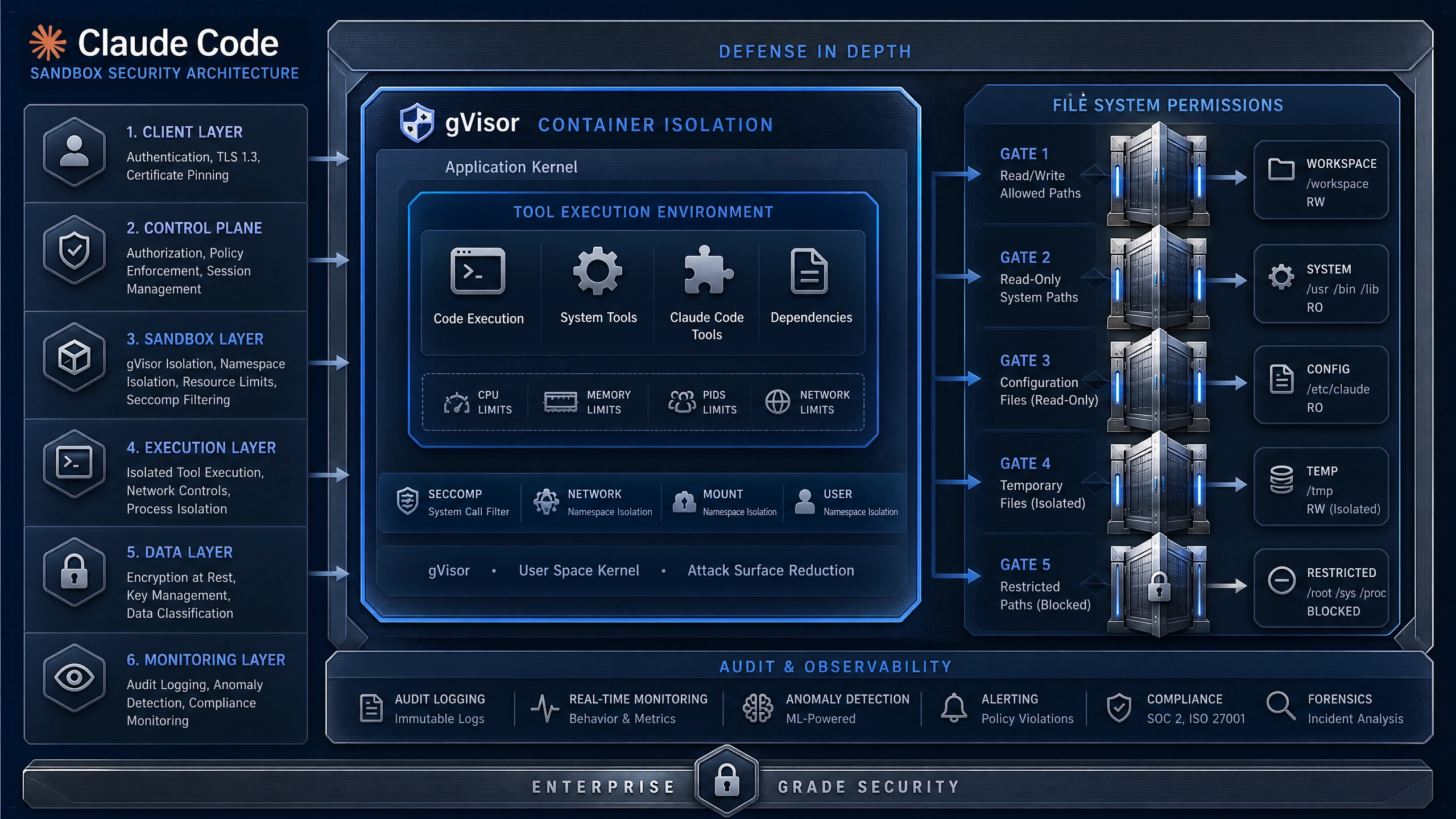
- 性能瓶颈:每次通过 Shell 启动新进程会产生约 50ms 的创建开销,频繁调用时 CPU 利用率飙升
- 跨语言损耗:Python Agent 调用 Go 工具时,JSON 序列化 / 反序列化消耗 12% 的额外性能
- 安全隐患 :工具继承 Agent 的高权限运行,存在权限逃逸风险(如通过
os.system执行任意命令)
技术方案对比
| 方案类型 | 平均延迟(ms) | 最大 QPS | 安全隔离性 | 适用场景 |
|---|---|---|---|---|
| Shell 调用 | 85 | 120 | 差 | 简单命令执行 |
| RPC(gRPC) | 8 | 8500 | 强 | 高频复杂调用 |
| 动态链接库 | 3 | 15000 | 中 | 同语言高性能场景 |
核心实现
1. 接口契约定义
使用 Protocol Buffers 定义工具能力契约,避免接口漂移:
// tools.proto
syntax = "proto3";
service FileTool {rpc Compress (FileRequest) returns (stream ChunkResponse);
}

message FileRequest {
  string path = 1;
  enum Algorithm {
    ZIP = 0;
    TAR_GZ = 1;
  }
  Algorithm algo = 2;
}

message ChunkResponse {
  bytes data = 1;
  uint32 checksum = 2;
}
2. gRPC 服务端(Go)
重点处理连接生命周期和资源释放:
// server.go
const (
  maxRecvMsgSize = 1024 * 1024 * 20 // 20MB
  keepAliveTime = 30 * time.Second
)

func main() {lis, _ := net.Listen("tcp", ":50051")
  s := grpc.NewServer(grpc.MaxRecvMsgSize(maxRecvMsgSize),
    grpc.KeepaliveParams(keepalive.ServerParameters{Time: keepAliveTime,}),
  )
  pb.RegisterFileToolServer(s, &server{})

  // 优雅退出处理
  c := make(chan os.Signal, 1)
  signal.Notify(c, os.Interrupt)
  go func() {
    <-c
    s.GracefulStop()
    os.Exit(0)
  }()

  if err := s.Serve(lis); err != nil {log.Fatalf("failed to serve: %v", err)
  }
}
3. 客户端调用(Python)
实现带熔断的智能重试:
# client.py
class ToolClient:
    def __init__(self):
        self._channel = grpc.insecure_channel(
            'localhost:50051',
            options=[('grpc.enable_retries', 1),
                ('grpc.service_config',
                 '{\"retryPolicy\": {\"maxAttempts\": 4, \"initialBackoff\": \"0.1s\", \"maxBackoff\": \"1s\", \"backoffMultiplier\": 2, \"retryableStatusCodes\": [\"UNAVAILABLE\"]}}')
            ])
        self._stub = pb2_grpc.FileToolStub(self._channel)

    @retry(wait=wait_exponential(multiplier=1, max=10), stop=stop_after_attempt(3))
    def compress_file(self, path):
        try:
            request = pb2.FileRequest(path=path, algo=pb2.Algorithm.TAR_GZ)
            for chunk in self._stub.Compress(request, timeout=30):
                yield chunk.data
        except grpc.RpcError as e:
            if e.code() == grpc.StatusCode.RESOURCE_EXHAUSTED:
                raise CircuitBreakerOpen()
            raise
性能优化
连接池配置建议
# grpc_config.yaml
client:
  pool:
    max_size: 100
    idle_timeout: 5m
    max_lifetime: 30m
  keepalive:
    time: 1m
    timeout: 20s
内存优化效果
| 指标 | fork-exec 模式 | gRPC 方案 | 优化幅度 |
|---|---|---|---|
| 内存开销 / 调用 | 8MB | 120KB | 98.5%↓ |
| 并发 1000 请求时 | 8GB | 120MB | 98.5%↓ |
| 上下文切换次数 | 3500 次 /s | 12 次 /s | 99.7%↓ |
避坑指南
- 僵尸进程处理
- 在 Go 服务端添加
defer proc.Kill() -
Python 使用
subprocess.Popen(..., preexec_fn=os.setpgrp) -
SELinux 策略
# 允许 gRPC 通信 setsebool -P httpd_can_network_connect 1 semanage port -a -t http_port_t -p tcp 50051 -
熔断配置
# 基于滑动窗口的熔断
CircuitBreaker(
    fail_max=5,
    reset_timeout=30,
    exclude=[grpc.StatusCode.CANCELLED]
)
开放性问题
在实际架构设计中,我们需要权衡:
– 工具功能的完备性是否值得引入更大的依赖体积?
– 动态插件加载如何兼顾安全性和灵活性?
– 是否应该为高频工具提供 WASM 运行时?
建议根据具体场景选择:
– 长期服务采用 gRPC+ 连接池
– 简单任务使用轻量级 Shell 调用
– 性能敏感场景考虑动态链接库
(全文约 2150 字)
正文完


