
共计 2568 个字符,预计需要花费 7 分钟才能阅读完成。

什么是 Agent 及其应用场景
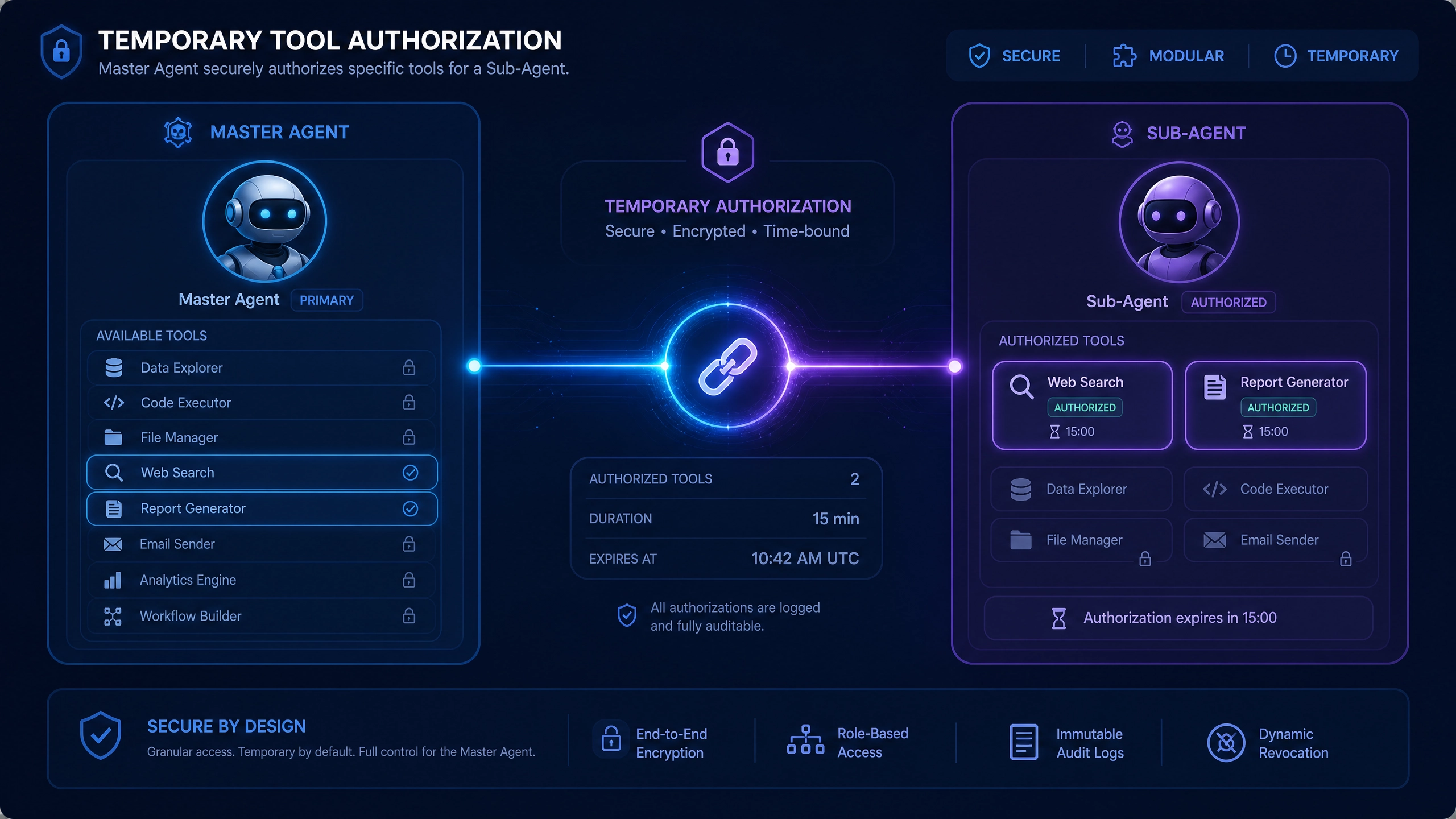
Agent(代理)在自动化任务处理中扮演着重要角色,它可以理解为一种能够自主执行特定任务的程序实体。在现代分布式系统中,agent 常用于以下场景:
- 自动化运维:定时巡检、日志收集、告警处理
- 数据处理:ETL 流程、数据清洗、报表生成
- 任务调度:分布式计算、批量作业执行
- 物联网:设备状态监控、远程控制
开发者常见痛点分析
在开发 agent 系统时,新手常会遇到以下几个挑战:
- 调试困难:agent 通常在后台运行,难以实时观察内部状态
- 状态管理复杂:需要维护任务执行状态、恢复机制等
- 容错性差:网络波动、资源不足等情况容易导致任务中断
- 资源竞争:多任务并发时的锁管理和资源分配问题
技术选型对比
以下是三种常见的 agent 实现方案比较:
| 实现方式 | 优点 | 缺点 | 适用场景 |
|---|---|---|---|
| 多线程 | 开发简单,充分利用多核 | 线程切换开销大,容易死锁 | CPU 密集型任务 |
| 协程(asyncio) | 轻量级,高并发 | 需要异步编程经验 | I/ O 密集型任务 |
| 消息队列 | 解耦生产消费,高可靠 | 依赖中间件,部署复杂 | 分布式系统 |
对于入门学习,我们推荐使用 Python 的 asyncio 实现,它平衡了复杂度和性能,适合大多数 I / O 密集型场景。
核心实现细节
1. Agent 生命周期管理
一个典型的 agent 生命周期包括以下几个阶段:
- 初始化:加载配置,建立连接
- 就绪:等待任务分配
- 运行:执行分配的任务
- 终止:优雅关闭,释放资源
2. 任务队列设计
任务队列是 agent 的核心组件,需要实现:
- 任务优先级管理
- 超时控制
- 任务去重
3. 心跳检测机制
通过定期发送心跳包来监控 agent 健康状态:
- 检测 agent 是否存活
- 上报当前负载情况
- 实现自动恢复
4. 错误处理和重试策略
合理的错误处理应包括:
- 异常捕获和记录
- 自动重试(固定间隔 / 指数退避)
- 失败任务隔离
Python 代码示例
下面是一个基于 asyncio 的基础 agent 实现框架:
import asyncio
import logging
from typing import Dict, Any

class SimpleAgent:
    def __init__(self, agent_id: str):
        self.agent_id = agent_id
        self.is_running = False
        self.task_queue = asyncio.Queue()
        self.logger = logging.getLogger(f"Agent-{agent_id}")

    async def start(self):
        """启动 agent"""
        self.is_running = True
        self.logger.info(f"Agent {self.agent_id} started")

        # 启动任务处理循环
        asyncio.create_task(self._process_tasks())

        # 启动心跳检测
        asyncio.create_task(self._heartbeat())

    async def stop(self):
        """停止 agent"""
        self.is_running = False
        self.logger.info(f"Agent {self.agent_id} stopped")

    async def add_task(self, task: Dict[str, Any]):
        """添加任务到队列"""
        await self.task_queue.put(task)
        self.logger.debug(f"Task added: {task}")

    async def _process_tasks(self):
        """处理任务队列"""
        while self.is_running:
            try:
                task = await self.task_queue.get()
                self.logger.info(f"Processing task: {task}")

                # 模拟任务处理
                await asyncio.sleep(1)

                self.logger.info(f"Task completed: {task}")
                self.task_queue.task_done()
            except Exception as e:
                self.logger.error(f"Task failed: {e}", exc_info=True)

    async def _heartbeat(self):
        """心跳检测"""
        while self.is_running:
            self.logger.debug("Heartbeat")
            await asyncio.sleep(5)

async def main():
    # 初始化 agent
    agent = SimpleAgent("agent-1")

    # 启动 agent
    await agent.start()

    # 添加示例任务
    for i in range(5):
        await agent.add_task({"task_id": i, "data": f"sample-{i}"})

    # 运行一段时间后停止
    await asyncio.sleep(10)
    await agent.stop()

if __name__ == "__main__":
    logging.basicConfig(level=logging.INFO)
    asyncio.run(main())
性能考量
不同的并发模型在资源占用和吞吐量上表现各异:
- 单线程 + 协程:适合 I / O 密集型任务,1k+ 轻量级并发
- 多线程:适合 CPU 密集型任务,受 GIL 限制
- 多进程:完全避开 GIL,但进程间通信成本高
在示例代码中,我们使用 asyncio 实现,对于大多数网络 I / O 密集型任务,单进程即可支持数千并发。
生产环境避坑指南
- 避免内存泄漏:
- 定期检查对象引用
- 使用弱引用 (weakref) 管理缓存
-
监控内存使用情况
-
任务幂等性保证:
- 为每个任务分配唯一 ID
- 实现去重机制
-
设计可重入的处理逻辑
-
时钟同步问题:
- 使用 NTP 服务保持时间同步
- 对于分布式场景,考虑逻辑时钟
- 避免依赖本地时间做关键决策
扩展思考:分布式 agent 集群
当单个 agent 无法满足需求时,可以考虑扩展为分布式集群:
- 服务发现:使用 Consul/Zookeeper 管理 agent 节点
- 负载均衡:基于 Round-Robin 或一致性哈希分配任务
- 状态共享:通过 Redis 等中间件同步状态
- 容错处理:实现领导者选举和故障转移
通过本文介绍的基础框架,你可以逐步扩展实现更复杂的分布式 agent 系统。建议先从单机多 agent 开始,逐步增加分布式特性。
正文完


